



Tooth pain that throbs and won’t quit is your body’s way of asking for help. At Des Plaines Dental Studio, we treat dental abscesses the same day whenever we can. We are right here in Des Plaines — not a call center, not a referral line. This page walks you through what an abscess feels like, when it becomes dangerous, and what happens when you come in. If your tooth is already hurting, call us first and read the rest later.

Most patients in Des Plaines describe an abscessed tooth the same way: it starts as a dull ache, then turns into a constant, pounding throb. Heat makes it worse. Biting down is sharp and sudden.
You may also notice swelling in your gum, your jaw, or your cheek. Sometimes it feels tender before it looks swollen. A bad taste or smell near the tooth is another sign — that is often infection draining on its own. None of these symptoms means you are past the point of help. They mean it is time to call.


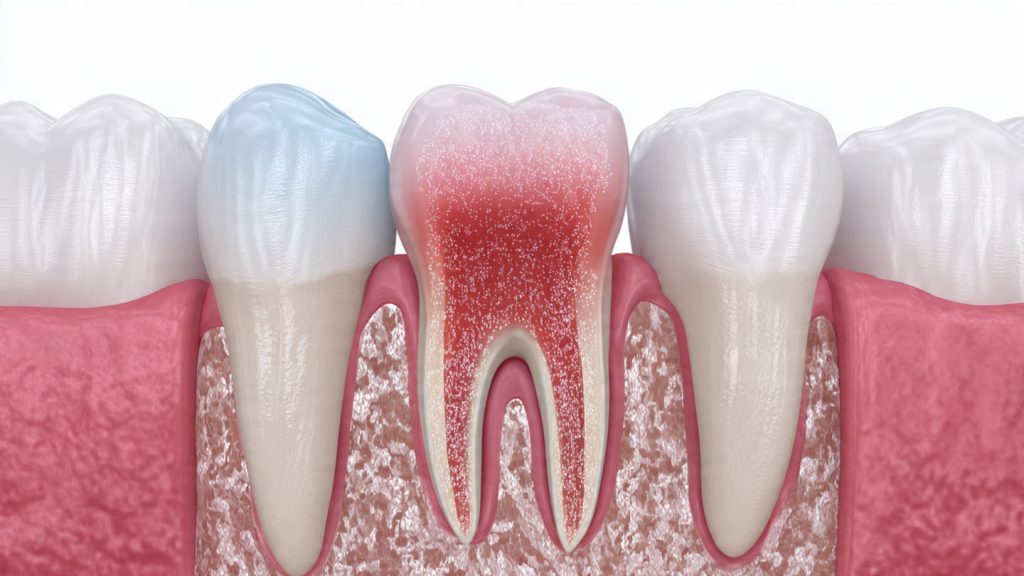
A dental abscess does not sit still. Infection can move from the tooth to the jawbone, and from the jawbone toward the neck, faster than most people expect — sometimes within a few days.
Many patients near Friendship Park come in after pushing through pain for a week during a busy commute schedule. We hear it often. The delay almost always makes treatment more involved. Antibiotics help slow the spread, but they do not drain the infection or fix the tooth. Only treatment does that.
Watch for these signs that the infection is moving:
• Swelling that is visibly growing day to day
• Fever alongside your tooth pain
• Difficulty swallowing or opening your mouth
If any of those are happening, call us immediately.
Some symptoms are not “wait and see.” These are the ones that mean today, not this weekend.
One local note worth knowing: spring and fall allergy seasons along the Des Plaines River corridor can cause jaw and sinus pressure that feels similar to tooth pain. If you are not sure which it is, call us. We can usually tell from a quick description — and an X-ray confirms it fast.
When you call Des Plaines Dental Studio, we triage your symptoms over the phone right away. That call tells us what you are dealing with and helps us fit you in as quickly as possible.
Here is what happens from that point:
The numbing is the part most patients worry about. It is also the part most patients say surprised them — treatment is not as painful as the abscess itself. We have offices near Miner Street and the downtown Des Plaines area, so getting to us quickly is straightforward from most parts of the city.
We are direct with our patients about this: a dental abscess that goes untreated does not stay the same. It gets worse.
The pain often eases temporarily when an abscess drains on its own. That relief is misleading. The infection is still there. Left alone, it can reach the jawbone — and bone loss is far harder to reverse than a contained infection. In rare but serious cases, infection spreads to the floor of the mouth or the neck. That is a medical emergency.
Cook County residents use the ER at Advocate Lutheran General and Northwest Community Hospital for dental pain more often than most people realize. Those visits manage pain and fever. They cannot fix the tooth. You will still need a dentist — and the tooth will be harder to save by then.
A tooth we can treat today with a root canal may only be extractable two weeks from now. Acting now keeps your options open.
The two to three days after treatment are the most uncomfortable part of recovery — not because of what we did, but because the tissue around the infection needs time to calm down. That is normal and expected.
Here is what helps:
Des Plaines winters are cold, and post-treatment jaw soreness can feel similar to sinus congestion from the weather. Normal recovery soreness eases each day. If swelling increases after day three, or if your fever returns, call us. That is the sign we need to see you again.
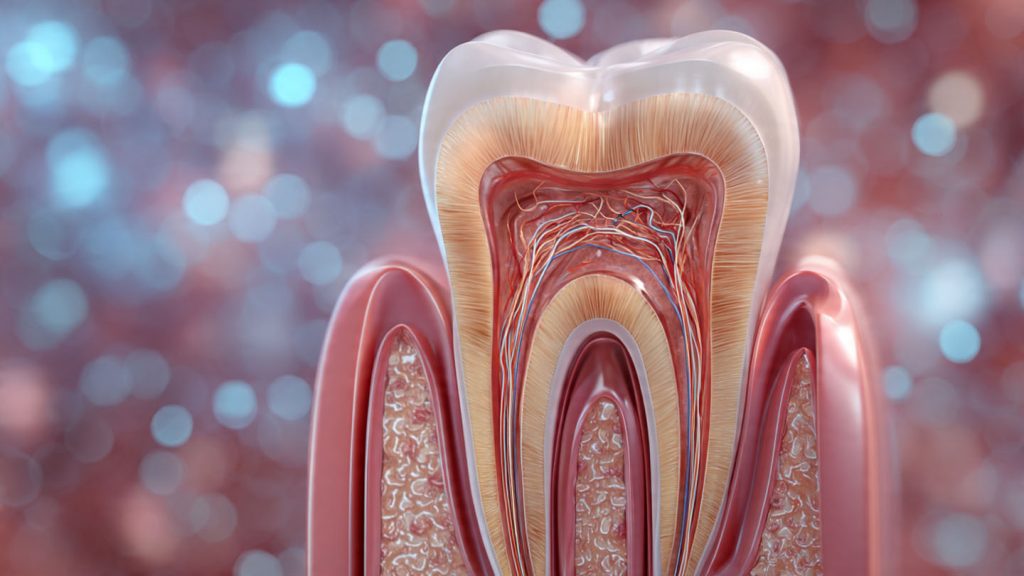
The most common signs are a constant throbbing ache, swelling in your gum or jaw, sensitivity to heat, and a bad taste near the tooth. An X-ray at our Des Plaines office confirms the diagnosis — you do not need to guess before calling.
Yes, spreading can happen quickly — sometimes within 24 to 48 hours if the infection is active. Same-day treatment is the safest way to stop it. Waiting until symptoms get worse before calling makes treatment more involved, not less.
Call or come in immediately if you have a fever with your tooth pain, swelling that is growing, trouble swallowing or opening your mouth, or swelling near your eye or neck. Those signs mean the infection is moving beyond the tooth.
The area is numbed thoroughly before we begin. Most patients say the treatment itself is far less painful than the abscess. Relief often starts within a few hours of draining the infection.
Yes. A regular toothache may come from decay or a crack and can sometimes be handled with a filling. An abscess involves active infection and always requires drainage, a root canal, or extraction to resolve — a filling alone will not clear the infection.
Go to an urgent care dental clinic or a hospital ER for pain and fever management. Antibiotics from the ER buy time — they do not fix the tooth. You will still need to see us as soon as possible to treat the source of the infection.
