



In Des Plaines, many adults have early gum disease and don’t know it. Bleeding gums, sore tissue, or a warning about deep pockets at your last checkup are signs that a regular cleaning won’t fix the problem. Scaling and root planing is a deep cleaning that removes tartar below the gumline and smooths each root surface so bacteria can’t stick. Most patients at our Des Plaines Dental Studio finish in one or two visits. Ask us about same-week scheduling when you call. We catch gum disease early so you keep more of your natural teeth.

If your gums bleed when you brush, feel sore, or seem to pull away from your teeth, those are signs worth taking seriously. Being told you have deep pockets at a checkup is another clear signal — pockets that measure 4 mm or more usually mean bacteria has moved below the gumline where a standard cleaning can’t reach.
Harsh Midwest winters keep many Des Plaines residents away from the dentist for months at a stretch. That gap gives plaque time to harden into tartar. The longer tartar stays below the gumline, the more it irritates the tissue and eats into the bone that holds your teeth in place.
Scaling and root planing stops that process. Early treatment gives your gums a chance to reattach to the root surface, and most patients see real improvement — less bleeding, tighter tissue — within a few weeks.


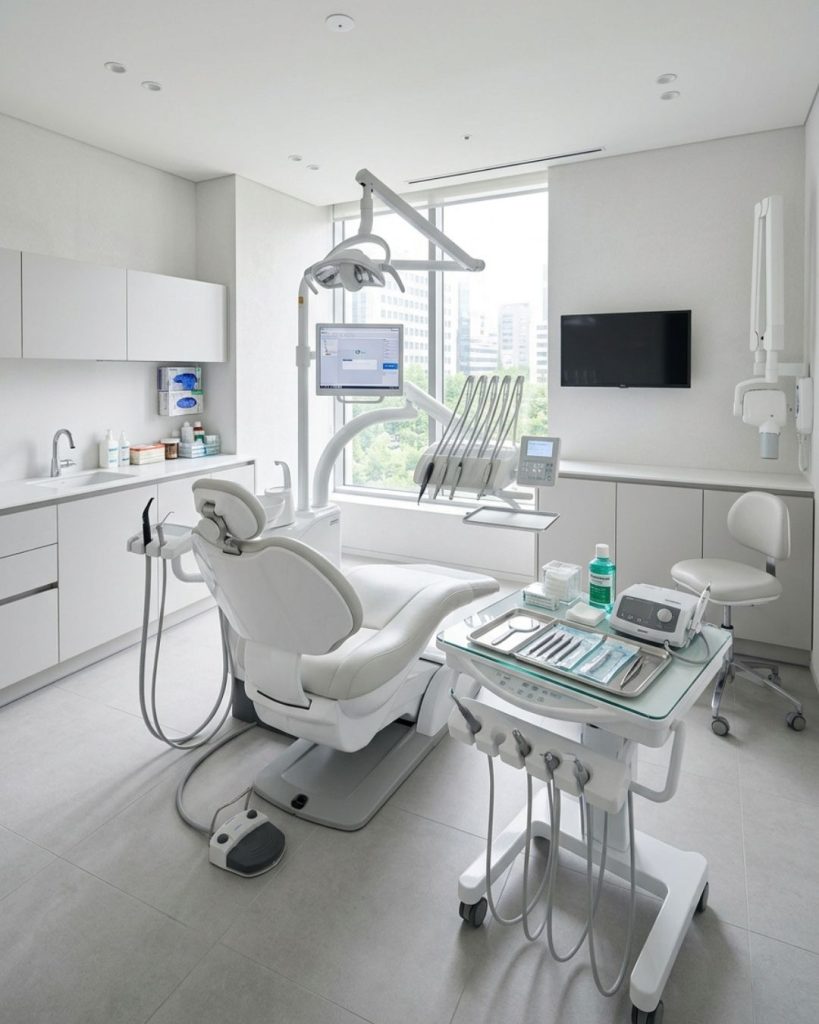
We use a small probe to measure the space between your gum and each tooth. That measurement tells us exactly how deep the pockets are. We show you the numbers so you understand what we’re seeing and why we’re recommending treatment.
Patients from the Cumberland area of Des Plaines often come in worried they’ll be sent to a specialist. In most cases, we handle scaling and root planing right here — no referral needed. If your pockets measure 4 mm or more in several areas, deep cleaning is the appropriate next step. If they don’t, we’ll tell you that too and recommend a standard cleaning instead.
Preparation is simple. Eat a light meal before you arrive, take any antibiotics we prescribed in advance, and arrange a ride if we’ve discussed sedation for your visit.
Plan to allow about 90 minutes for a full-mouth appointment. Our office is easy to reach near Oakton Street in Des Plaines, with parking close to the entrance. If you have any questions the day before, call us — we’d rather answer them ahead of time than have you walk in unsure of what to expect.
Within four to six weeks, you should notice your gums look pinker, bleed less when you brush, and feel tighter around your teeth. Those are the signs we look for too. We schedule a follow-up probing exam at six to eight weeks to remeasure every pocket and confirm the tissue is healing the way it should.
If a pocket that measured 6 mm before treatment now measures 3 mm, that’s the procedure working. We document those numbers so you can see the change clearly. If any areas need additional attention, we address them at that visit before they progress further.
After scaling and root planing, standard twice-a-year cleanings are not enough. We put you on a periodontal maintenance schedule — visits every three to four months — to keep bacteria from rebuilding below the gumline. That shorter interval is the standard of care for anyone who has been treated for gum disease.
Patients near the Prairie Lakes area of Des Plaines can coordinate these maintenance visits right here at Des Plaines Dental Studio without switching offices. We track your pocket depths at each visit so we catch any regression early. Staying on schedule is the single most effective thing you can do to protect the results of your treatment.
Mild soreness and sensitivity for two to five days after the procedure is normal. Over-the-counter pain relief usually manages the discomfort well. Call us if the pain feels severe or gets worse after the third day.
Many plans cover part of the cost when a dentist documents medical necessity. We recommend verifying your benefits with your carrier before your visit so there are no surprises at checkout.
A regular cleaning removes plaque and tartar from the surfaces above the gumline. Scaling and root planing cleans below it, targeting the root surfaces where bacteria cause bone and tissue damage.
