



A knocked-out tooth in Des Plaines is one of the most urgent dental emergencies we treat. The next 30 to 60 minutes can determine whether your tooth can be saved. This page covers what to do right now, what happens when you come in, and what recovery looks like. We are a dentist in Des Plaines, and we are ready to help you today.

If you are in Des Plaines and a tooth has been knocked out, time is the single most important factor. A tooth that stays out of the socket for more than 60 minutes has a much lower chance of surviving. Whether you are near downtown Des Plaines or along the Rand Road corridor, getting to our office fast gives your tooth the best shot.
We treat adults and children who have had a tooth knocked out suddenly — during a fall, a collision, or a sports injury. A knocked-out tooth is not something to wait and see about. Call us immediately, and we will walk you through what to do while you are on your way.
Acting fast gives a knocked out tooth the best chance of being saved.

When you arrive, we start with a full clinical exam of the injured tooth, your gums, and the surrounding bone. We take X-rays to check for root fractures and bone damage that are not visible to the eye. This step follows Illinois State Dental Board standards for trauma assessment.
You will know what we find before any treatment begins. We explain the condition of the tooth clearly and tell you what your options are. There is no guesswork and no pressure — just a clear picture of what is happening and what we recommend.
Every knocked out tooth is different, so we explain your options before treatment.
Reimplantation starts with careful cleaning of the tooth and the socket. We prepare the socket, gently reposition the tooth, and secure it with a dental splint. The splint holds the tooth stable while the surrounding bone and tissue begin to heal.
We work to treat you as quickly as possible when you call. Most patients leave with the tooth back in place and a clear plan for follow-up care.
Pick up the tooth by the crown — the white part you see when you smile. Do not touch the root. Rinse it gently under clean water but do not scrub it.
If you can, place the tooth back in the socket right away. If that is not possible, store it in milk. Do not wrap it in a dry cloth or tissue — that dries out the root cells quickly. During Des Plaines winters, cold outdoor air speeds up that process, so getting the tooth into milk fast matters even more. Then call us and come in immediately.
Bring the knocked out tooth with you to our office on Graceland Avenue.
You will need follow-up visits after the initial emergency appointment. We monitor the splint, check root health, and take X-rays to track how the bone is responding. The splint typically comes off within a few weeks.
During healing, we recommend soft foods and avoiding pressure on the treated tooth. If you play sports or stay active in Des Plaines, ask us before returning to activity. We will give you a clear return-to-play timeline based on how your tooth is healing.
We schedule follow-up visits to check on a knocked out tooth as it heals.
After your emergency treatment, we talk with you about how to lower your risk of future tooth injuries. Custom-fitted mouthguards are one of the most practical options for athletes of any age. We fit them right here at our office in Des Plaines.
If you play sports or stay active in Des Plaines, ask us about a custom-fitted mouthguard. Routine dental exams also let us check bite alignment and catch any issues from the trauma early. Staying connected with a local dentist after an emergency is the smartest next step.
The American Dental Association’s dental emergencies guide explains how to handle a knocked out tooth, and mouthguards help prevent one.
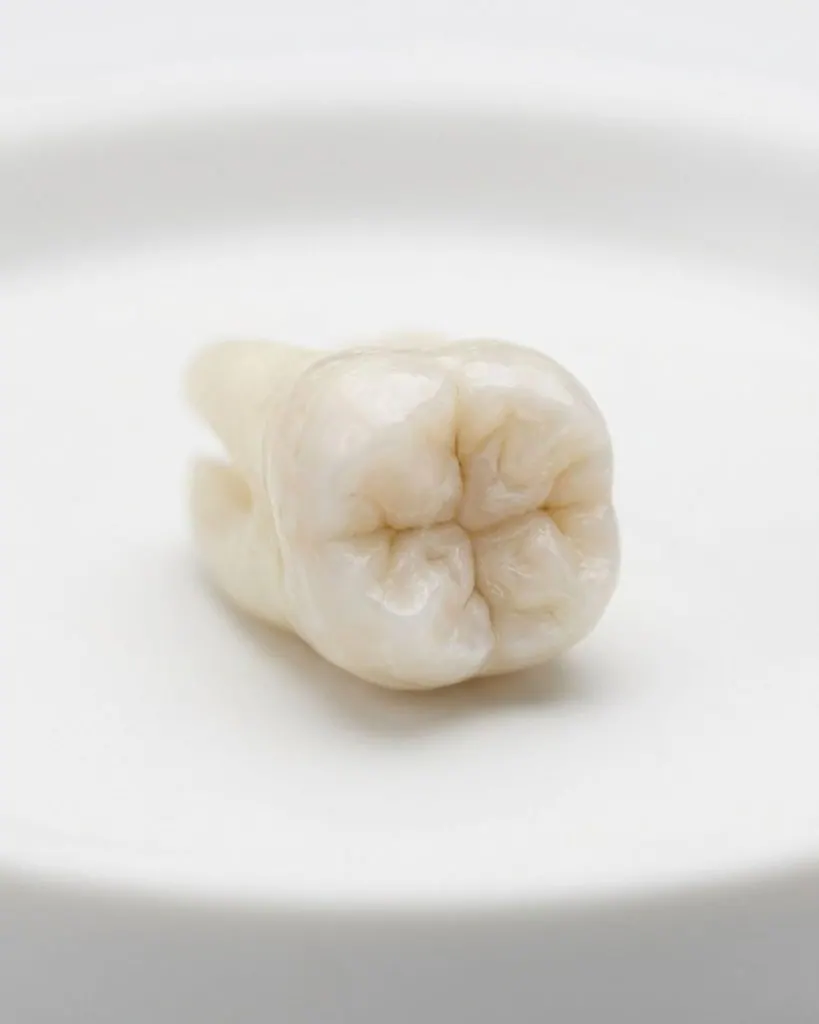
Tooth survival drops sharply after 60 minutes, which is why calling us immediately and handling the tooth correctly are the two most important things you can do. Storage in milk and avoiding root contact both extend that window.
Yes — if the socket is clean and the patient is calm, gently placing the tooth back in the socket is the right move. It keeps the root moist and gives reimplantation the best chance of working.
Milk is the best storage option. Water is a last resort. Never store a knocked-out tooth in a dry cloth or tissue — that damages the root cells within minutes.
