What to Expect From the Invisalign Treatment Process
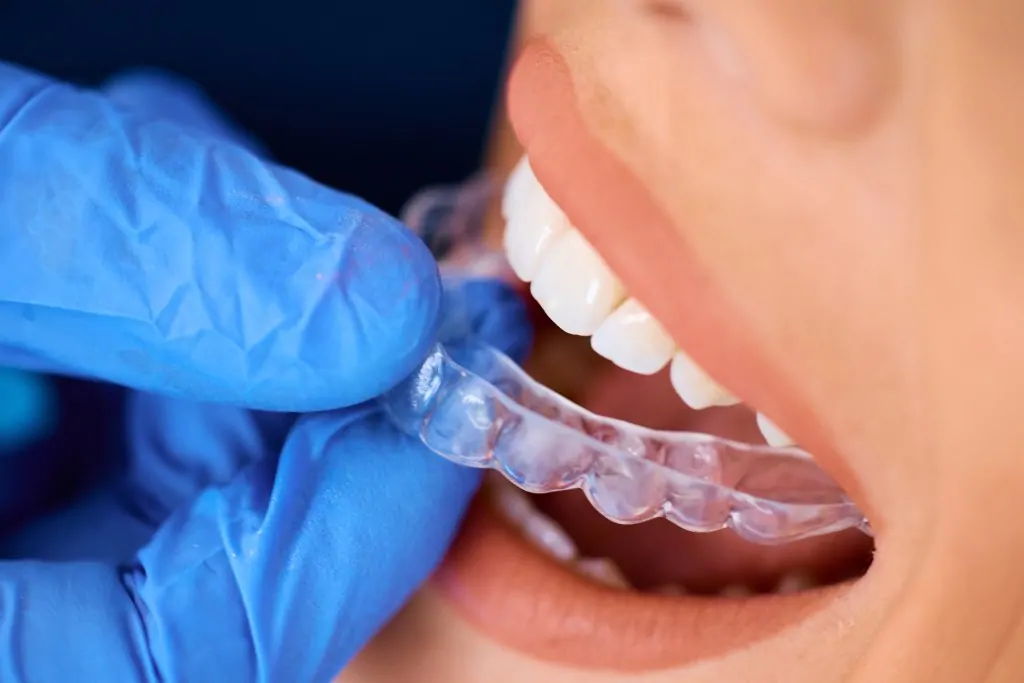
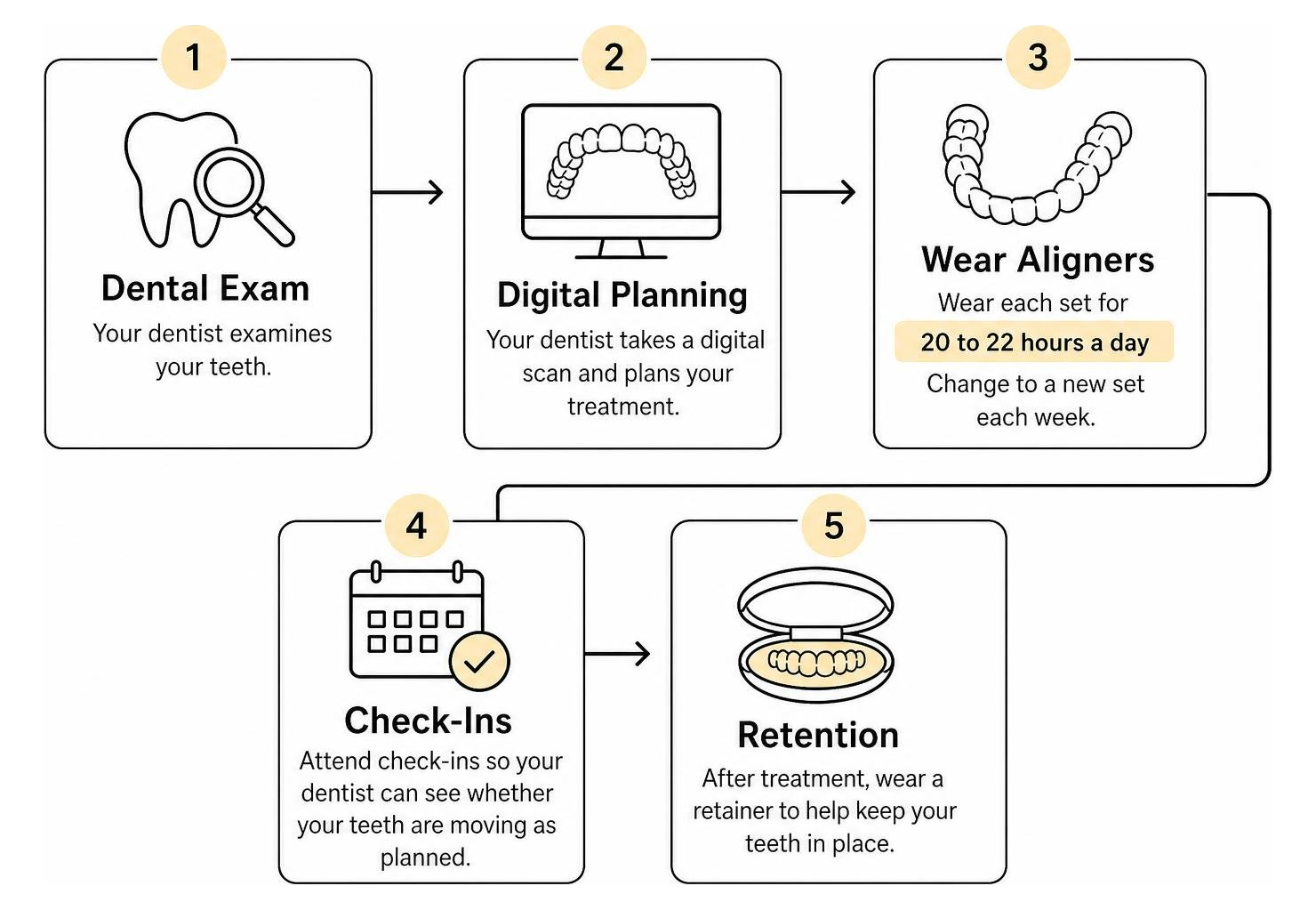
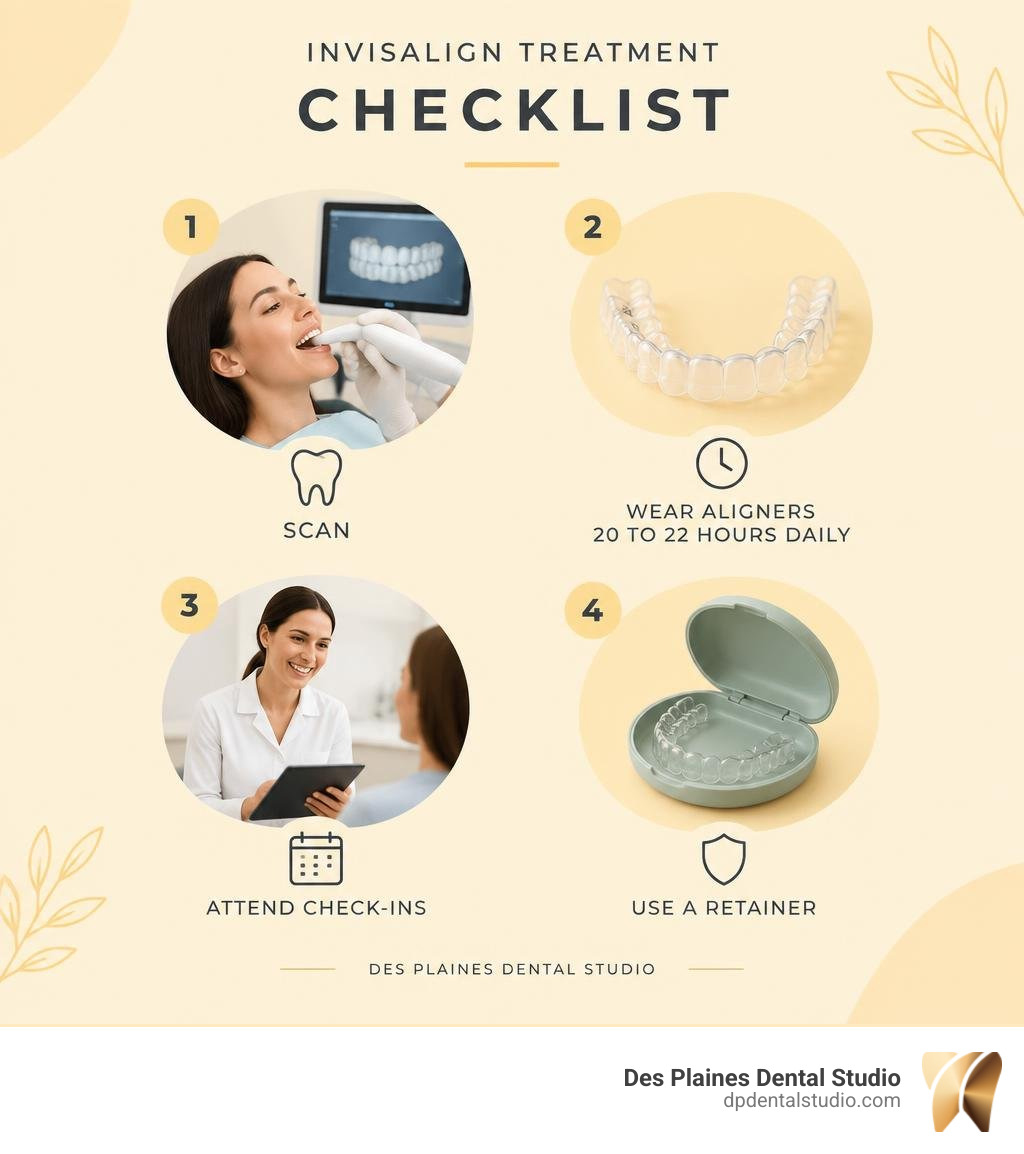
The Invisalign treatment process starts with a dental exam and a digital scan. Your dentist plans a series of clear aligners to move your teeth in small steps. You wear each set for 20 to 22 hours a day, usually changing to a new set each week. Check-ins help your dentist see whether your teeth are moving as planned. After treatment, you wear a retainer to help keep them in place.
Our team provides comprehensive and cosmetic dental care to help guide you through every stage of what to expect from the Invisalign treatment process.
How Clear Aligners Move Teeth and What They Can Correct
Clear aligners offer a modern alternative to traditional orthodontic hardware. Instead of brackets and archwires, this system uses medical-grade, flexible SmartTrack plastic trays custom-molded to your dental arches.
The underlying mechanics rely on calculated, gentle biomechanical forces. Each aligner is engineered to apply targeted pressure to specific teeth at precise angles. Rather than shifting all teeth simultaneously, the system guides them in micro-movements—often a fraction of a millimeter per stage. This staged approach allows bone and periodontal ligaments to remodel gradually around the roots without excessive force. Exploring the step-by-step clear aligner mechanics shows how software planning translates directly into predictable physical movements.
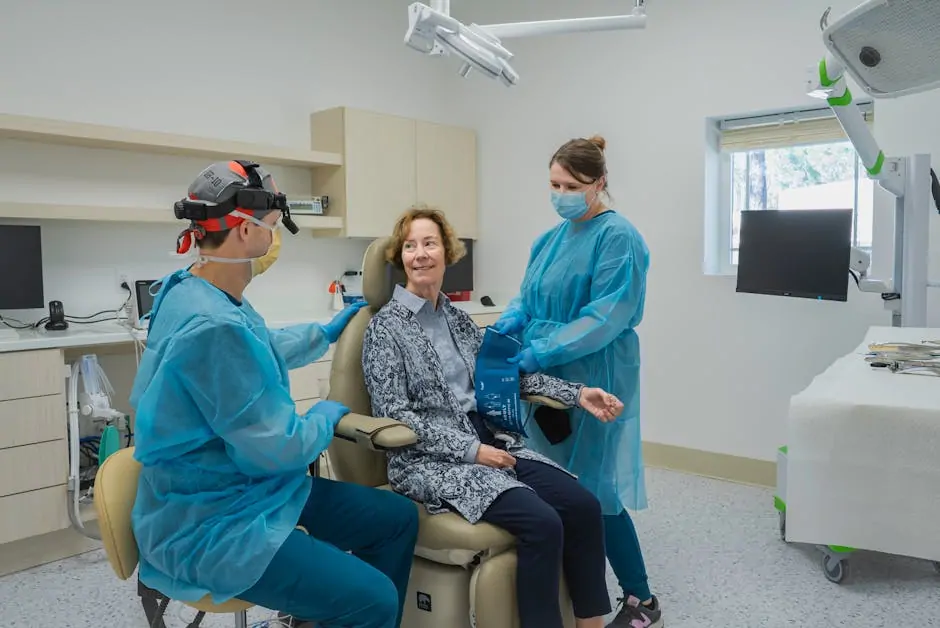
Before beginning orthodontic movement, a thorough initial dental exam ensures that your teeth and gums are healthy enough for clear aligner therapy.
Today’s clear aligners can address a wide variety of mild, moderate, and complex malocclusions, including:
- Crowded teeth: Overlapping or twisted teeth caused by insufficient jaw space.
- Spacing issues and gaps: Unwanted spaces between teeth from missing teeth or abnormal jaw growth.
- Overbite: Upper front teeth significantly overlapping the lower front teeth.
- Underbite: Lower teeth extending past the upper teeth when biting down.
- Crossbite: One or more upper teeth sitting inside the lower teeth.
- Open bite: Front upper and lower teeth failing to touch when back molars meet.
Understanding Aligners, Buttons, and Attachments
While clear aligners fit snugly over teeth, certain complex movements require extra grip. Smooth plastic alone cannot always generate the directional force needed for severe rotations, deep intrusions, or root uprighting.
To solve this, dentists use small, tooth-colored composite resin shapes known as attachments (or buttons). These tiny dots are temporarily bonded directly to the surface of specific teeth using dental composite matched to your natural enamel.
When your aligner clicks into place over these attachments, it creates a secure biomechanical anchor. The tray pushes against the angled surface of each attachment, transferring force directly into the tooth’s root. In complex bite corrections, miniature buttons may also serve as anchor points for tiny elastics (rubber bands) to help coordinate upper and lower jaw alignment. Once treatment is complete, the attachments are polished off without altering your natural enamel.
Candidate Evaluation for Clear Aligner Therapy
Determining whether you are a prime candidate for clear aligners involves an orthodontic and aesthetic assessment. During a comprehensive cosmetic dental consultation, we evaluate:
- The alignment of your arches and the position of your roots.
- The health of your periodontal tissues and jawbone density.
- Your bite relationship (occlusion) and temporomandibular joint (TMJ) function.
- Your personal smile goals and daily lifestyle habits.
Understanding the role of a cosmetic dentist helps clarify how alignment fits into broader dental health, facial harmony, and aesthetic rejuvenation. While clear aligners can treat most orthodontic cases, certain severe skeletal discrepancies or impacted teeth may still benefit from surgical interventions or specialized bracket mechanics.
The Step-by-Step Invisalign Treatment Process Explained
Undergoing clear aligner therapy follows a structured digital workflow designed for clinical precision and patient comfort.
Phase 1: Planning Your Custom Invisalign Treatment Process
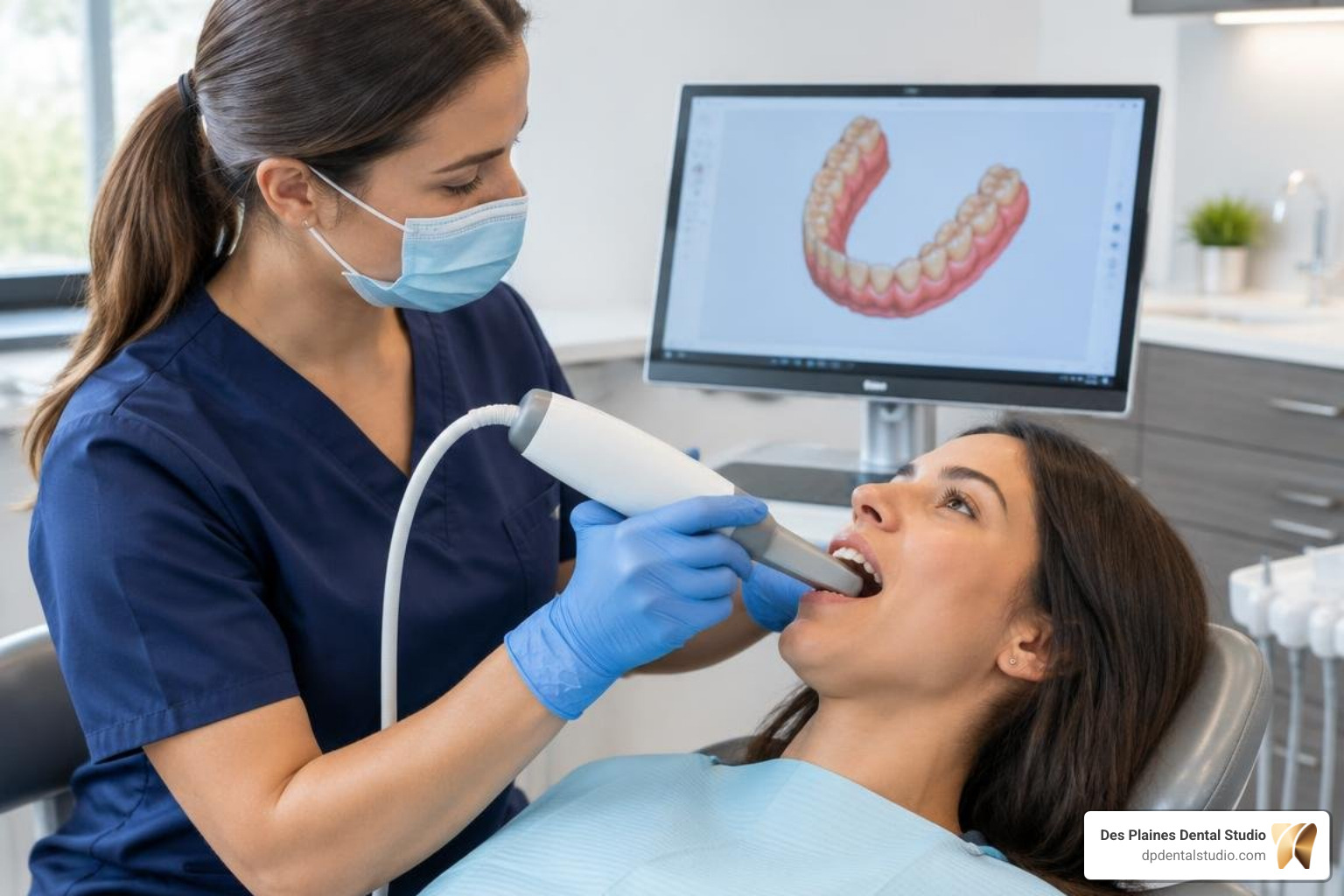
The journey begins with diagnostic data collection. We take high-resolution digital photographs, digital X-rays, and an advanced 3D intraoral scan (such as an iTero scan). This eliminates the need for messy, uncomfortable putty impressions.
The 3D scan generates an accurate virtual model of your mouth. Using specialized ClinCheck software, we design your entire treatment plan from start to finish. This digital platform maps out the exact pathway of every single tooth. You can even view a 3D simulation of your anticipated smile transformation before any trays are manufactured. Once we finalize the treatment plan, the digital files are sent to the lab, where your complete series of custom aligners is fabricated.
Phase 2: Aligner Delivery, Attachments, and Initial Fitting
Once your aligners arrive at our office, you will return for your fitting appointment:
- Bonding Attachments: We prepare your enamel and bond any required tooth-colored composite attachments.
- Interproximal Reduction (IPR): If needed for crowded cases, we may perform gentle, microscopic polishing between certain teeth to create tiny slivers of clearance space.
- Checking Tray Seating: We place your first set of trays to verify a secure, comfortable fit over your teeth and attachments.
- Wear and Care Instructions: We demonstrate how to insert, remove, and clean your trays, and provide your initial box of aligner sets.
Phase 3: Monitoring, Refinements, and Retainers
You will attend periodic check-in visits every 6 to 10 weeks so we can verify that your teeth are tracking with the digital plan.
Toward the end of your initial tray series, teeth may occasionally need slight positional adjustments. In these cases, we perform a quick scan for a short series of refinement trays to fine-tune your final alignment.
Once your teeth reach their ideal positions, the active phase ends, and the retention phase begins.
Post-Treatment Retention Steps
- Attachment Removal: We gently buff away all composite attachments and polish your enamel.
- Retention Scans: We take a final digital scan of your aligned smile.
- Custom Retainer Delivery: You receive custom clear retainers (such as Vivera retainers) crafted from durable material.
- Nighttime Wear: Wear your retainers full-time for the first few weeks as instructed, transitioning to nighttime wear indefinitely to prevent natural relapse.
- Routine Cleanings: Continue regular semi-annual hygiene visits and exams to protect your results.
Navigating Daily Life and Expectations During Treatment

Clear aligners fit easily into a busy schedule, but consistent daily habits are essential for staying on track.
Navigating the Daily Invisalign Treatment Process and Wear Routine
Compliance is the single most critical factor in clear aligner success. To ensure teeth move on schedule, keep these daily guidelines in mind:
- 20 to 22 Hours Daily: Aligners must remain in your mouth for at least 20 to 22 hours every single day. Only remove them to eat, drink anything other than cool water, brush, and floss.
- Weekly Tray Changes: Most patients transition to a new set of aligners once a week (or every two weeks, depending on your personalized clinical plan).
- Eating and Drinking: Remove trays before consuming meals, hot beverages (which can warp the plastic), and sugary or staining drinks (which can get trapped under the trays and promote decay).
- Hygiene Habits: Brush and floss thoroughly after every meal before putting your aligners back in. Rinse your aligners with cool water and brush them gently using clear liquid soap or aligner cleaning crystals.
For more guidance on scheduling and office policies, review our helpful patient resources.
Timeline for Results and Managing Mild Discomfort
Most clear aligner treatments take approximately six to twelve months, depending on case complexity and patient compliance. Simpler cosmetic cases can wrap up in as few as 6 months, while complex bite corrections may take up to 18 months.
Many patients begin noticing initial visible tooth movements within the first two months of consistent wear.
When you click in a fresh set of aligners, you will likely feel a sense of firmness or mild pressure for the first 24 to 48 hours. This tightness indicates that the trays are actively exerting controlled force on the teeth. Discomfort is generally mild and easily managed with over-the-counter pain relievers or by switching to new trays right before bedtime so you sleep through the initial adjustment period.
Invisalign vs. Traditional Braces: Comparing Modern Orthodontic Options
When deciding how to straighten your smile, both clear aligners and traditional fixed brackets provide reliable tooth movement, but their daily experience differs significantly. Receiving dedicated orthodontic specialist care ensures you select the approach best suited to your dental structure and everyday routine.
| Feature / Criteria | Clear Aligners (Invisalign) | Traditional Metal / Ceramic Braces |
|---|---|---|
| Aesthetics | Virtually invisible, clear SmartTrack plastic | Visible brackets and wires on tooth surfaces |
| Removability | Removable for meals, brushing, and events | Fixed permanently to teeth during treatment |
| Dietary Restrictions | None (remove trays before eating) | Must avoid sticky, hard, or chewy foods |
| Oral Hygiene | Standard brushing and flossing without obstacles | Requires threaders, interdental brushes, and extra time |
| Comfort | Smooth plastic edges; temporary mild pressure | Brackets and wires may irritate cheeks and lips |
| Average Timeline | 6 to 12 months for most adult cases | 12 to 24 months depending on case severity |
| Patient Responsibility | High (must wear 20–22 hours daily) | Low (fixed in place, cannot be forgotten) |
Choosing Between Braces and Clear Aligners
Both modalities have distinct clinical strengths. Clear aligners excel for patients who value discreet aesthetics, minimal dietary disruption, and easier oral hygiene. However, because they are removable, they require personal discipline.
Traditional braces remain an effective choice for complex root movements, severe skeletal discrepancies, or younger patients who might misplace removable trays. When comparing braces and Invisalign, your dentist will evaluate your bite mechanics alongside your personal lifestyle. Orthodontic alignment often serves as the foundational step in a comprehensive smile makeover, setting the stage for subsequent cosmetic treatments like whitening or bonding.
Why Supervised Professional Care Matters for Clear Aligners
Direct, in-person supervision by a qualified dental professional is essential for safe tooth movement. Mail-order, direct-to-consumer aligner kits lack hands-on clinical oversight, which can lead to complications like bite misalignments, root damage, or gum recession.
Working with an experienced cosmetic dentistry team ensures:
- Pre-treatment diagnosis of underlying bone loss, periodontal infections, or hidden decay.
- Precise placement and management of composite attachments.
- Routine tracking assessments to confirm that teeth move according to plan.
- Immediate adjustments if a tooth fails to track or if your bite needs refinement.
Partnering with a trusted local Invisalign dentist protects your oral health and provides consistent support from start to finish.
Frequently Asked Questions About Invisalign
How many hours a day do I need to wear my Invisalign aligners?
You need to wear your aligners for 20 to 22 hours per day. Trays should only be removed for meals, snacks, drinking beverages other than water, and your morning and nighttime oral hygiene routines. Falling short of this wear time can stall tooth tracking and lengthen your total treatment duration.
How soon will I notice visible results with clear aligners?
Most patients begin seeing subtle, visible changes in their smile within the first 6 to 8 weeks of consistent wear. While initial shifts often occur in the back teeth to create space, noticeable alignment of the front teeth usually becomes evident by the two-month mark.
What does wearing Invisalign feel like on teeth?
Invisalign trays feel smooth and snug against your teeth. When you switch to a new set of aligners, you will typically feel a sensation of tightness or mild pressure for the first day or two. Your tongue and lips will adjust to the presence of the trays within a couple of days.
Conclusion
A straight, healthy smile improves your bite, supports better oral hygiene, and boosts your daily confidence. At Des Plaines Dental Studio, we are dedicated to providing personalized care in a comfortable, welcoming environment with complete insurance support.
If you are ready to straighten your teeth with a discreet, digitally planned approach, explore expert Invisalign treatment in Des Plaines and schedule your consultation with our team today.