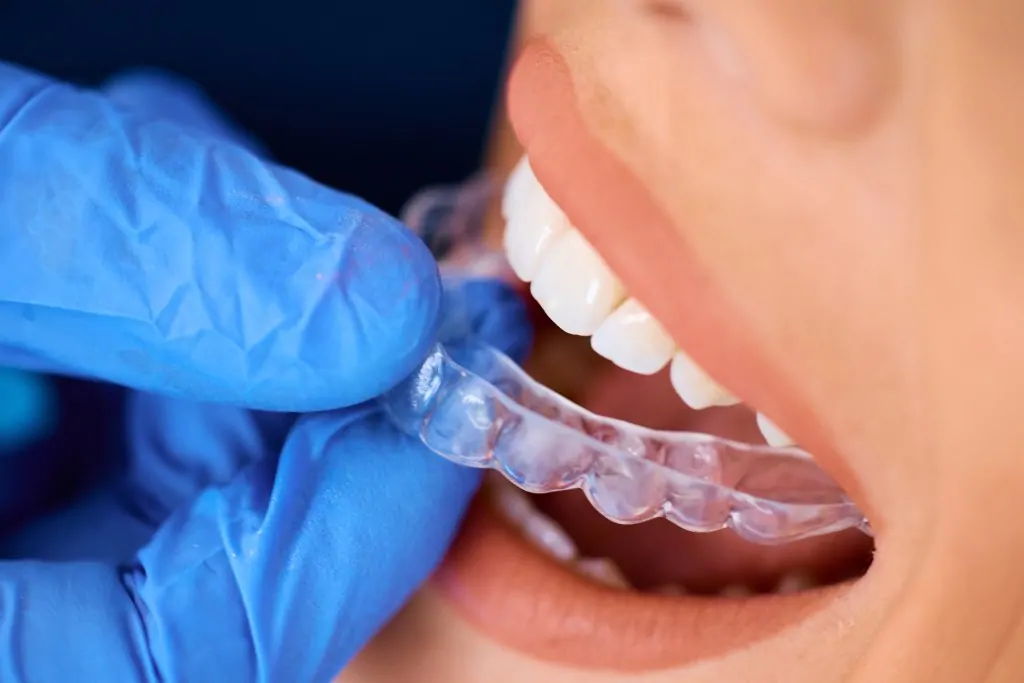
Veneer Cost in 2026: The Quick Answer
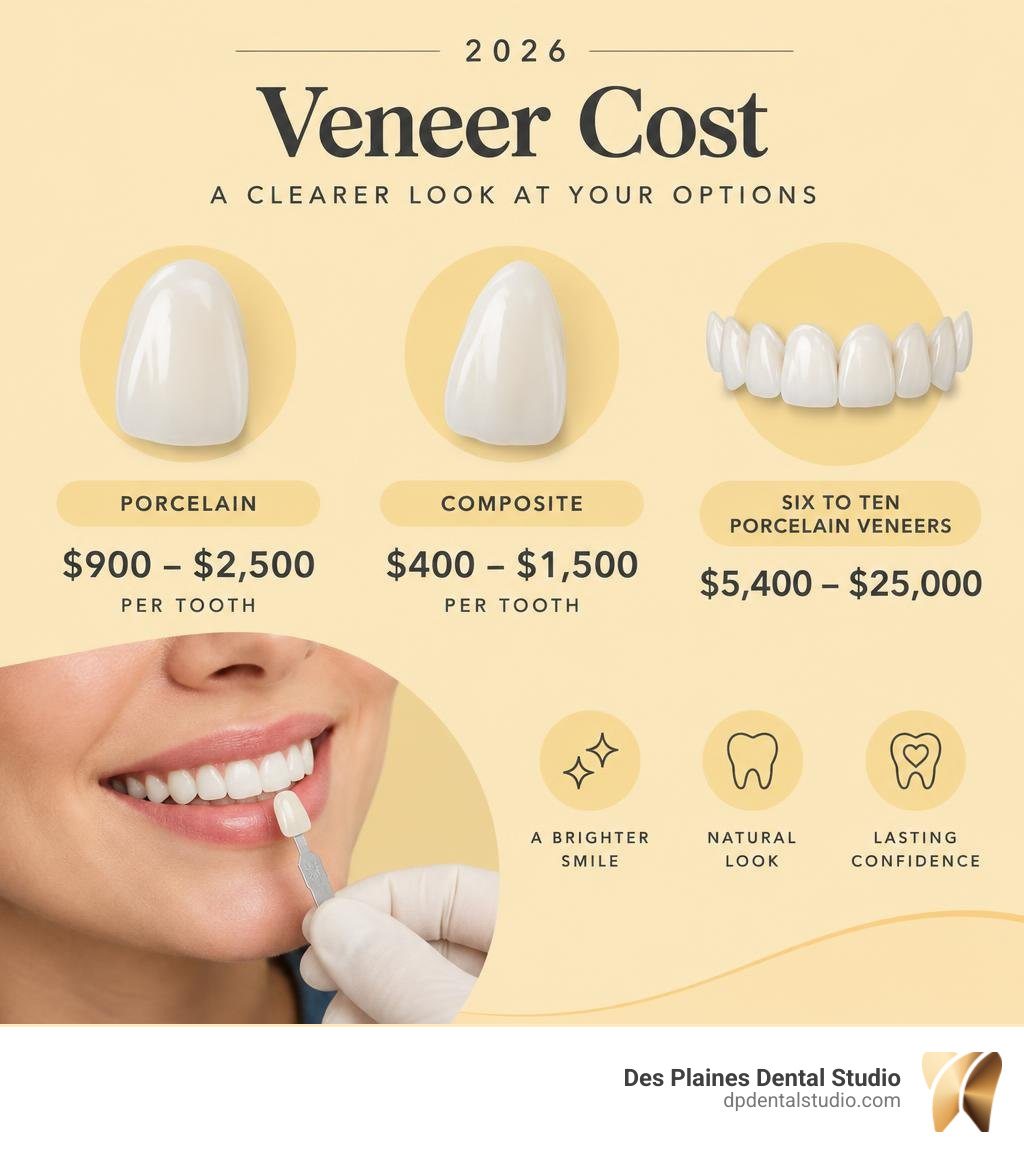
In 2026, veneer cost is typically $900–$2,500 per tooth for porcelain or $400–$1,500 per tooth for composite. Six to ten porcelain veneers can cost roughly $5,400–$25,000. Your quote depends on how many teeth you treat, the material, and the work needed to prepare and place each veneer.
Most dental insurance plans do not cover veneers used only to change how teeth look. If treatment repairs damage, ask your dentist for a written estimate and check your plan before you commit.
I’m Marta Milejczyk, a dentist who has practiced in Chicago’s northwest suburbs since 1997 and completed advanced training in cosmetic smile restoration. I’ll use that experience to help you understand veneer cost and the questions worth asking about your own treatment plan.
Analyzing Dental Veneer Cost and Pricing Factors in 2026
When evaluating your cosmetic options, it is helpful to look past the single sticker price and understand what goes into your treatment. Dental veneers are custom-crafted shells bonded directly to the front surface of your teeth to correct discoloration, chips, minor misalignment, or uneven spacing. Because every mouth is structurally unique, pricing is never one-size-fits-all.
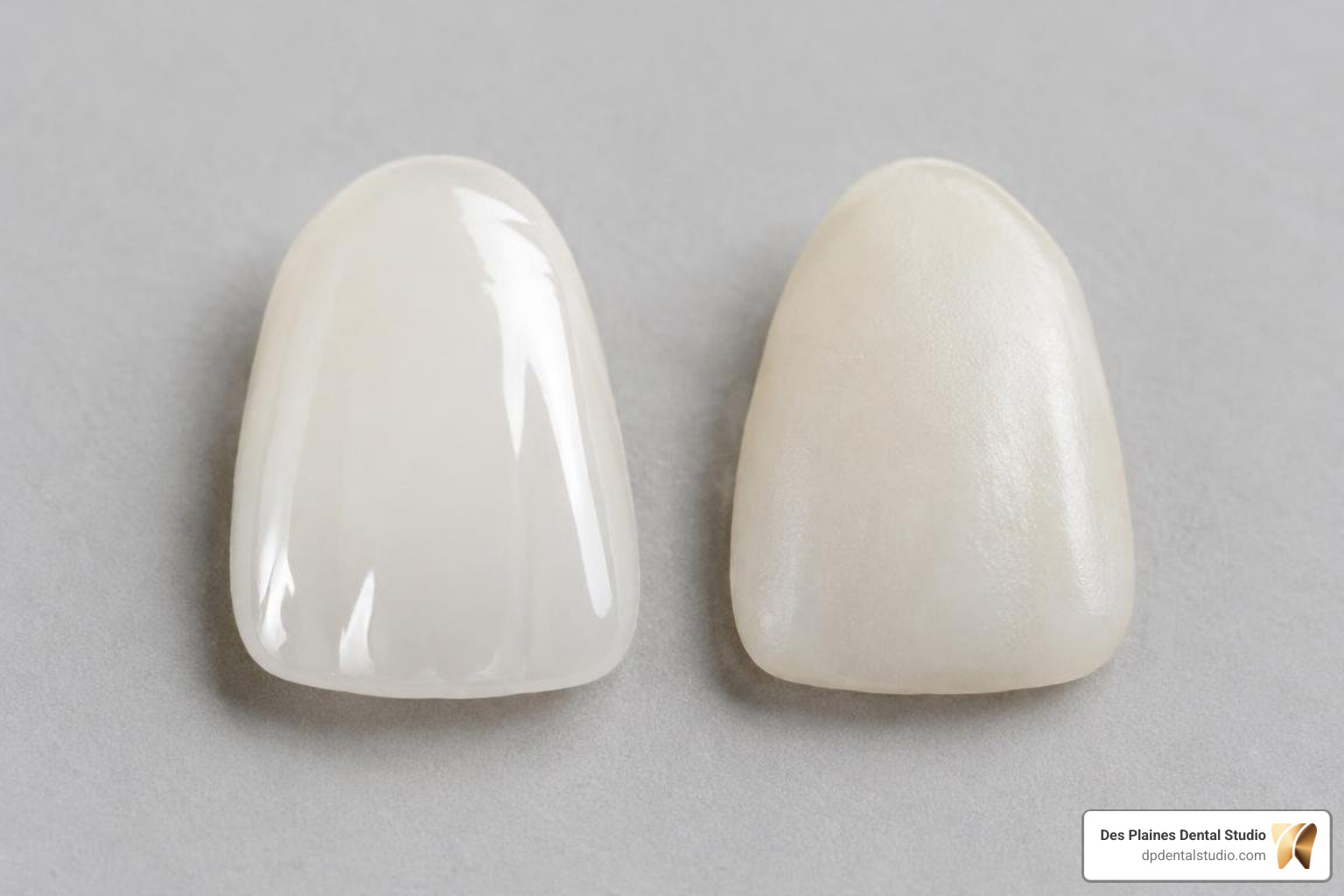
The overall investment reflects the material selected, the laboratory artistry involved, the complexity of your bite, and the chairside skill required to ensure the restorations blend seamlessly with your natural smile.
Porcelain Laminates and Traditional Ceramic Veneers
Porcelain laminate veneers represent the gold standard in cosmetic smile design. Fabricated from high-strength ceramics such as feldspathic porcelain or lithium disilicate (e.g., IPS e.max), these restorations emulate the natural translucency, light reflection, and subtle color gradations of real tooth enamel.
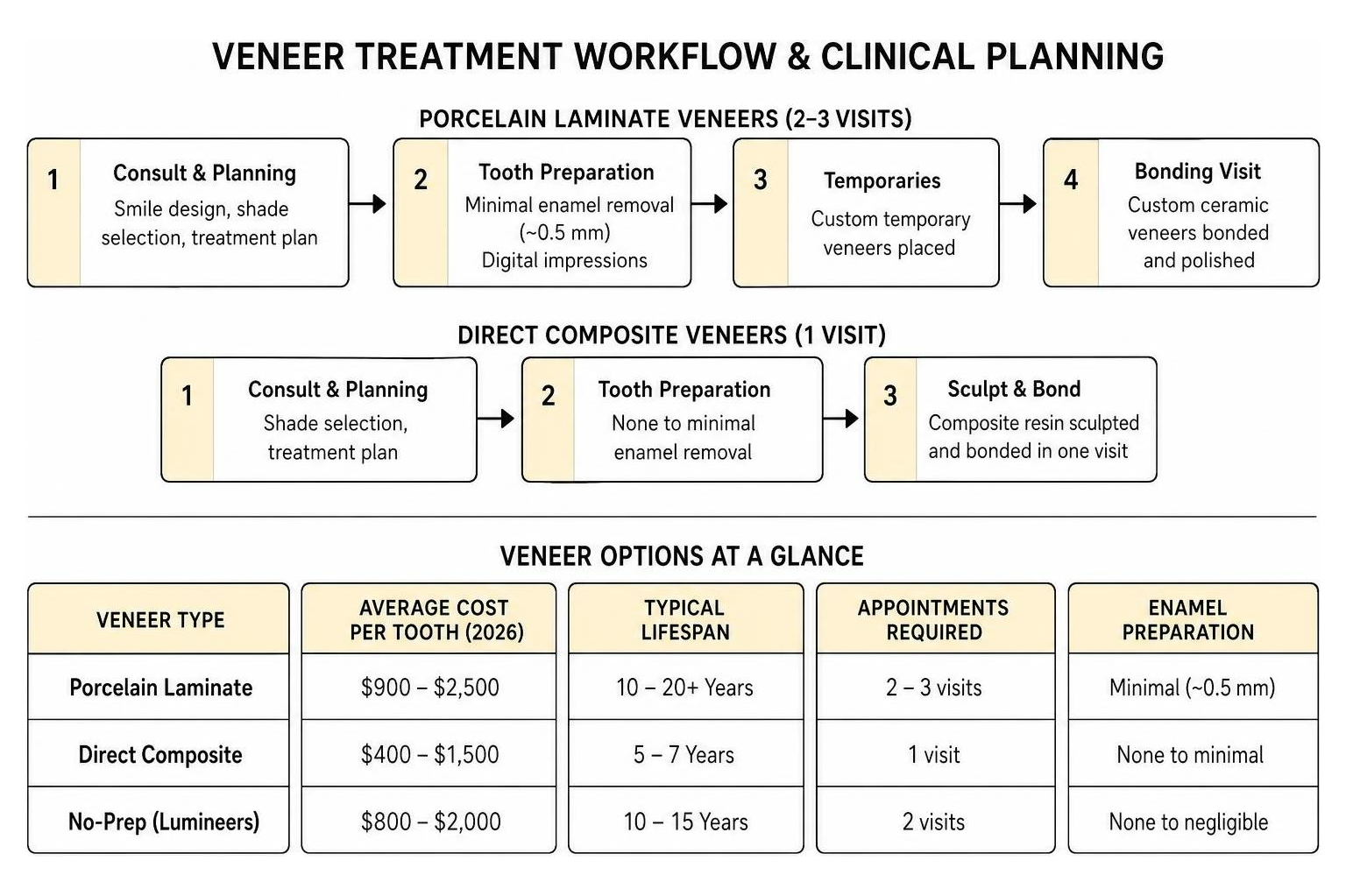
Nationally, porcelain veneers range from $900 to $2,500 per tooth, with clinical benchmarks outlined in detailed references like the Dental Veneer Cost Per Tooth (2026) guide. When opting for porcelain veneers in Des Plaines, you are investing in a durable restoration crafted by an experienced master ceramist. The process involves precise tooth preparation—typically removing a micro-thin layer of enamel (around 0.5 mm)—taking digital impressions, placing custom temporaries, and securely bonding the permanent ceramic shells during a follow-up visit.
Composite Resin and Chairside Veneers
Composite resin veneers offer an accessible, budget-friendly alternative. Rather than being built outside the mouth in a dental laboratory, chairside composite veneers are sculpted directly onto your teeth in a single clinical visit using high-grade aesthetic resin.
These direct restorations typically range between $400 and $1,500 per tooth. While composite bonding requires minimal to no enamel reduction and can be completed in one appointment, the resin material is more porous than ceramic. As highlighted in our porcelain vs. composite price comparison, composite resin can pick up surface stains over time and generally carries a shorter working lifespan than high-grade porcelain.
Minimal-Prep and No-Prep Veneers
Minimal-prep and no-prep options (such as Lumineers) are designed for patients who want aesthetic enhancements with little to no enamel removal. Measuring roughly 0.2 mm in thickness—about as thin as a contact lens—these ultra-thin ceramic laminates bond directly over existing natural teeth.
No-prep veneers typically cost between $800 and $2,000 per tooth. Because they require minimal tooth alteration, the procedure is often reversible. However, they are not suitable for every smile; patients with significant crowding, deep intrinsic stains, or prominent teeth may find that no-prep laminates can look slightly bulky if not carefully planned.
| Veneer Type | Average Cost Per Tooth (2026) | Typical Lifespan | Appointments Required | Enamel Preparation |
|---|---|---|---|---|
| Porcelain Laminate | $900 – $2,500 | 10 – 20+ Years | 2 – 3 visits | Minimal (~0.5 mm) |
| Direct Composite | $400 – $1,500 | 5 – 7 Years | 1 visit | None to minimal |
| No-Prep (Lumineers) | $800 – $2,000 | 10 – 15 Years | 2 visits | None to negligible |
Key Factors That Drive Veneer Pricing Up or Down
Why does one patient receive a quote of $1,200 per tooth while another is quoted $2,200? The cost of cosmetic dentistry is shaped by clinical training, geographic overhead, and the quality of external dental laboratories.
Provider Expertise: General Dentist vs. Prosthodontist
A dentist’s training and aesthetic focus significantly influence their fee structure. While general dentists routinely perform cosmetic procedures, prosthodontists have completed three additional years of post-doctoral specialty training focusing on full-mouth rehabilitation, complex occlusal dynamics, and advanced aesthetic restoration.
Specialists and cosmetic dentists accredited by the American Academy of Cosmetic Dentistry (AACD) often charge 15% to 40% more per tooth than standard general dental practices. This fee difference reflects advanced continuing education, investment in digital design technology, and the precise hand skills needed to create natural-looking symmetry.
Geographic Location and Regional Market Rates
Where your dental practice is located plays a major role in pricing. High-cost metropolitan centers on the coasts often carry significantly higher operational overhead, which drives up procedure costs. By contrast, practices across Illinois and the greater Chicago suburban market offer competitive rates while maintaining high clinical standards.
According to data published in the National Veneer Cost Guide 2026, the average cost for a porcelain veneer in Illinois ranges between $1,100 and $2,200 per tooth, compared to coastal metro areas where rates routinely climb between $1,800 and $4,000 per unit.
Dental Lab Quality and Case Customization
The aesthetic success of a porcelain veneer depends heavily on the ceramist who creates it. Budget clinics frequently work with high-volume, commercial dental laboratories that use standardized shading blocks.
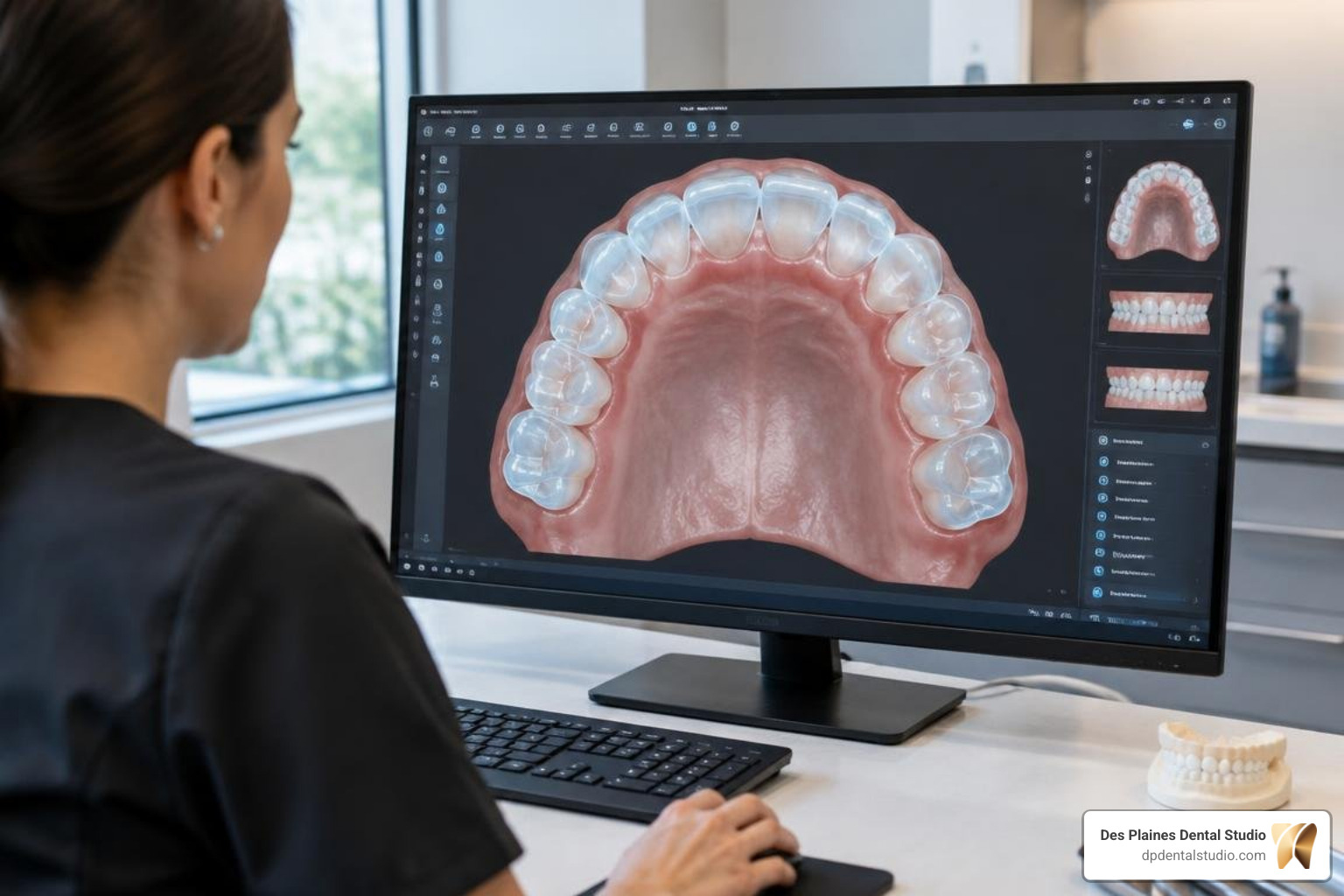
In contrast, patient-focused cosmetic practices collaborate with boutique master ceramists who hand-layer feldspathic porcelain, creating individualized translucency, delicate mamelons, and surface textures that match your neighboring teeth. Advanced diagnostic wax-ups and 3D digital imaging ensure that custom solutions—such as closing tooth gaps with custom veneers—are carefully planned before any clinical work begins.
How Many Veneers Do You Need? Pricing by Number of Teeth
The total cost of your treatment is primarily determined by how many teeth are visible when you talk, smile, and laugh.
Single-Tooth vs. Full-Smile Veneer Cost Breakdown
- Single-Tooth Repair ($900 – $2,500): Often used to restore a single discolored, fractured, or misshapen tooth. Matching a single central incisor to its natural twin requires precise shade customization and ceramist skill.
- The “Social Six” ($5,400 – $15,000): Treats the upper six front teeth (canine to canine). This is the most common cosmetic treatment, transforming the primary teeth visible in everyday social interactions.
- The Full Smile (8 to 10 Teeth) ($7,200 – $25,000): Covers the entire visible aesthetic zone, extending back to the premolars to widen the smile corridor and eliminate dark side shadows.
- Full-Arch Reconstruction (16 to 20 Teeth) ($14,400 – $45,000+): Treats both the upper and lower arches for comprehensive aesthetic and functional rehabilitation. For patients seeking a full transformation, comprehensive smile makeover planning coordinates veneers, bite alignment, and gum contouring for balanced results.
Estimating Veneer Cost Per Year and Long-Term Value
Evaluating cosmetic dentistry solely on upfront cost can be misleading. A more helpful measure is the cost per year of service.
A systematic review published in the Journal of Dental Research reported a survival rate of approximately 95% for porcelain veneers at 10 years, with many lasting 15 to 20 years or longer under good oral care. Direct composite veneers, by comparison, typically require repolishing, repair, or full replacement every 5 to 7 years.
- Porcelain Veneer: $1,500 initial cost ÷ 15-year average lifespan = $100 per tooth per year
- Composite Veneer: $700 initial cost ÷ 5-year average lifespan = $140 per tooth per year
Over two decades, investing in durable, high-quality porcelain restorations often costs less in total maintenance and replacements, particularly when restoring damaged teeth with long-lasting veneers.
Navigating Insurance, HSA, and Financing Options
Cosmetic dental treatments require careful budgeting, but several financing tools can help make treatment manageable.
Dental Insurance Coverage and Restorative Exceptions
Because veneers are generally classified as elective cosmetic procedures, standard dental insurance policies exclude them from routine coverage.
However, notable exceptions exist. If a veneer is placed to restore structural integrity following accidental trauma, repair severe tooth decay, or replace a failing large restoration, your insurer may cover a portion under restorative codes (similar to a standard crown). You can learn more about navigating these policies in our guide to budgeting for veneers with dental insurance. We always recommend submitting a formal pre-treatment estimate to your carrier before beginning care.
Tax-Advantaged Accounts and Third-Party Payment Plans
You can often reduce your out-of-pocket costs by using tax-advantaged healthcare accounts and structured monthly payment options:
- Health Savings Accounts (HSA) & Flexible Spending Accounts (FSA): Under IRS rules, HSA and FSA funds can be used for dental procedures that treat or prevent dental disease or repair structural damage. When restorations have a documented functional need, paying with pre-tax dollars can save you 20% to 35%, depending on your tax bracket.
- Third-Party Patient Financing: Medical financing programs like CareCredit allow you to split treatment costs into predictable monthly payments across 6 to 60 months, often with 0% APR promotional periods for qualifying balances.
- In-House Dental Plans: Many modern practices offer direct membership arrangements or structured in-office payment schedules to help spread out procedure costs without third-party interest charges.
Budget-Friendly Strategies to Lower Your Out-of-Pocket Expenses
Improving your smile does not require cutting corners on clinical safety or material quality.
Smart Ways to Save Without Compromising Quality
- Phase Your Treatment Over Time: If a full 8-tooth makeover exceeds your immediate budget, work with your dentist to stage your care. Start by treating the central incisors, then complete the adjacent teeth in later phases.
- Combine Veneers with Professional Whitening: Instead of placing veneers on every visible tooth, place ceramic shells on the front 2 to 4 teeth and professionally whiten the remaining teeth to match.
- Inquire About Multi-Tooth Bundles: Many practices offer modest per-tooth fee reductions when multiple veneers are prepared and fabricated together in a single laboratory run.
- Schedule an Aesthetic Candidacy Evaluation: Before making a financial commitment, consult an experienced provider to confirm if cosmetic veneers match your smile goals or if less invasive options like direct bonding can achieve your desired look.
Frequently Asked Questions About Veneer Cost
Are dental veneers covered by standard dental insurance?
Standard dental insurance rarely covers veneers when they are used purely for aesthetic reasons, such as whitening dark teeth or closing minor gaps. However, if a veneer is needed for restorative reasons—such as repairing a fractured tooth or replacing compromised enamel—partial coverage may apply. Always request a detailed pre-treatment estimate from your dental provider.
How long do porcelain veneers last compared to composite?
Porcelain veneers last between 10 and 20 years with proper oral hygiene and regular professional cleanings. Direct composite resin veneers generally last 5 to 7 years before needing repair, repolishing, or replacement due to everyday wear and staining.
Why do veneer prices vary between different dental practices?
Pricing differences reflect the dentist’s clinical experience, whether they use advanced 3D digital imaging, the fees of their master dental ceramists, and local office operating overhead. Highly experienced cosmetic dentists who use boutique laboratories charge more than clinics relying on high-volume, commercial labs.
Conclusion
Investing in dental veneers can transform both your smile and your day-to-day confidence. While the upfront investment requires careful financial planning, selecting high-grade materials and an experienced cosmetic team helps ensure your restorations remain natural, comfortable, and durable for years to come.
At Des Plaines Dental Studio, we believe cosmetic care should be clear, welcoming, and tailored to your personal goals. If you are exploring your cosmetic options in the greater Chicago area, schedule a personalized consultation for expert cosmetic veneers in Des Plaines, IL today. We will walk you through your treatment choices, provide clear pricing, and help you find a comfortable path toward the smile you have always wanted.