How Much Does a Dental Implant Cost in 2026?
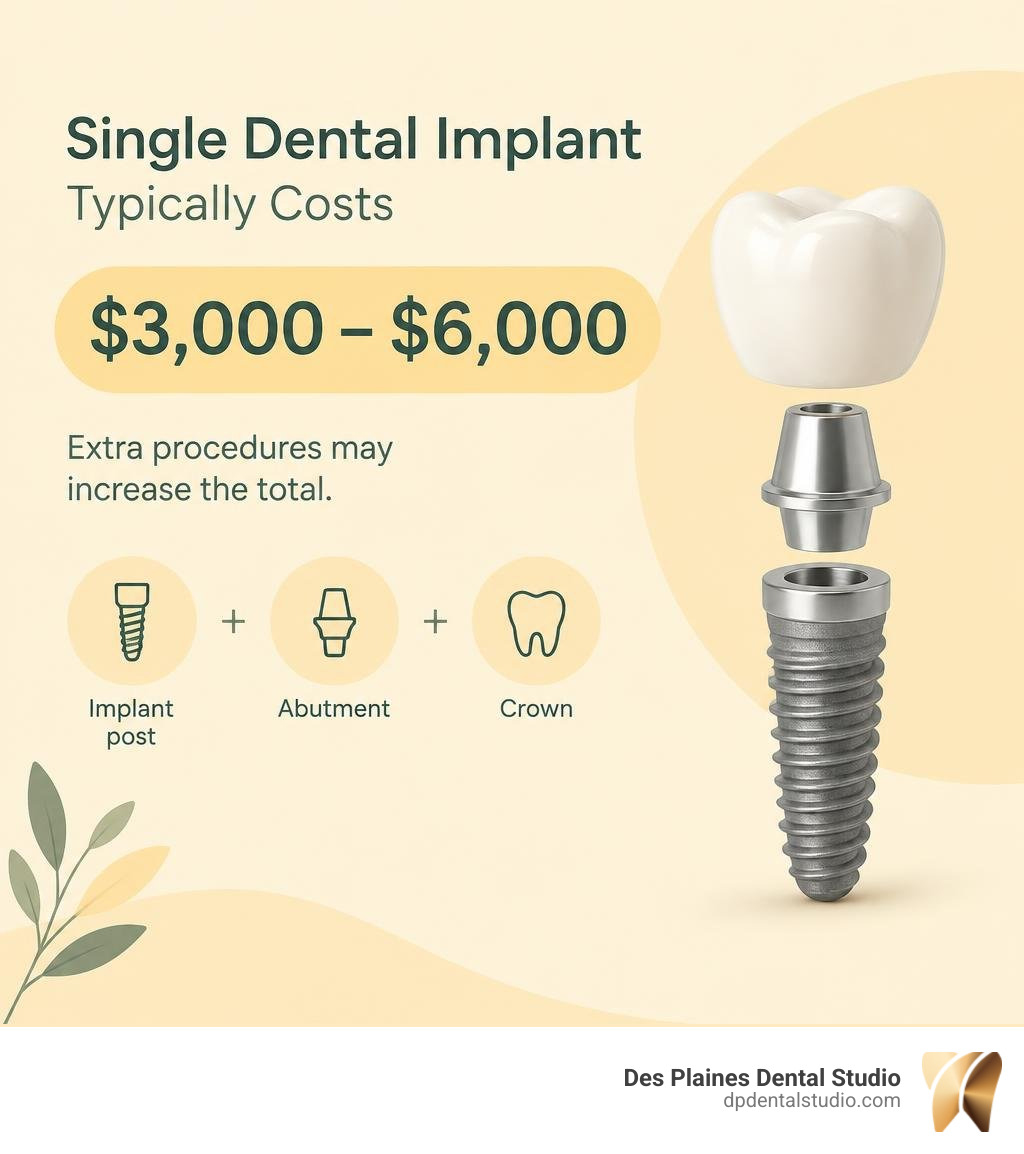
A single dental implant typically costs $3,000 to $6,000 when the price includes the implant post, the connector called an abutment, and the crown. Bone grafting, an extraction, or other needed care can raise the total.
The easiest way to compare prices is to ask for a written, itemized quote. Check whether it includes imaging, the post, abutment, crown, and follow-up visits. That way, a low price for the post alone does not catch you by surprise later.
I’m Marta Milejczyk, a dentist practicing since 1997 with training in restorative and implant dentistry. If you searched “how much is dental implant,” I’ll help you understand what a complete price includes before we look at the costs in detail.
How Much Is Dental Implant Treatment in 2026? Cost Breakdown
Understanding restorative dentistry pricing requires looking at the overall scope of care. The national average for a single tooth dental implant post alone sits around $2,143 (with a typical range of $1,646 to $4,175). However, when you factor in the abutment and final prosthetic crown, standard fees in 2026 typically range between $3,000 and $6,000 per tooth.
When evaluating options, exploring a comprehensive dental implant costs complete guide can help clarify why pricing scales based on the number of missing teeth, complexity, and specific prosthetic components required.
How Much Is Dental Implant Treatment for a Single Tooth?
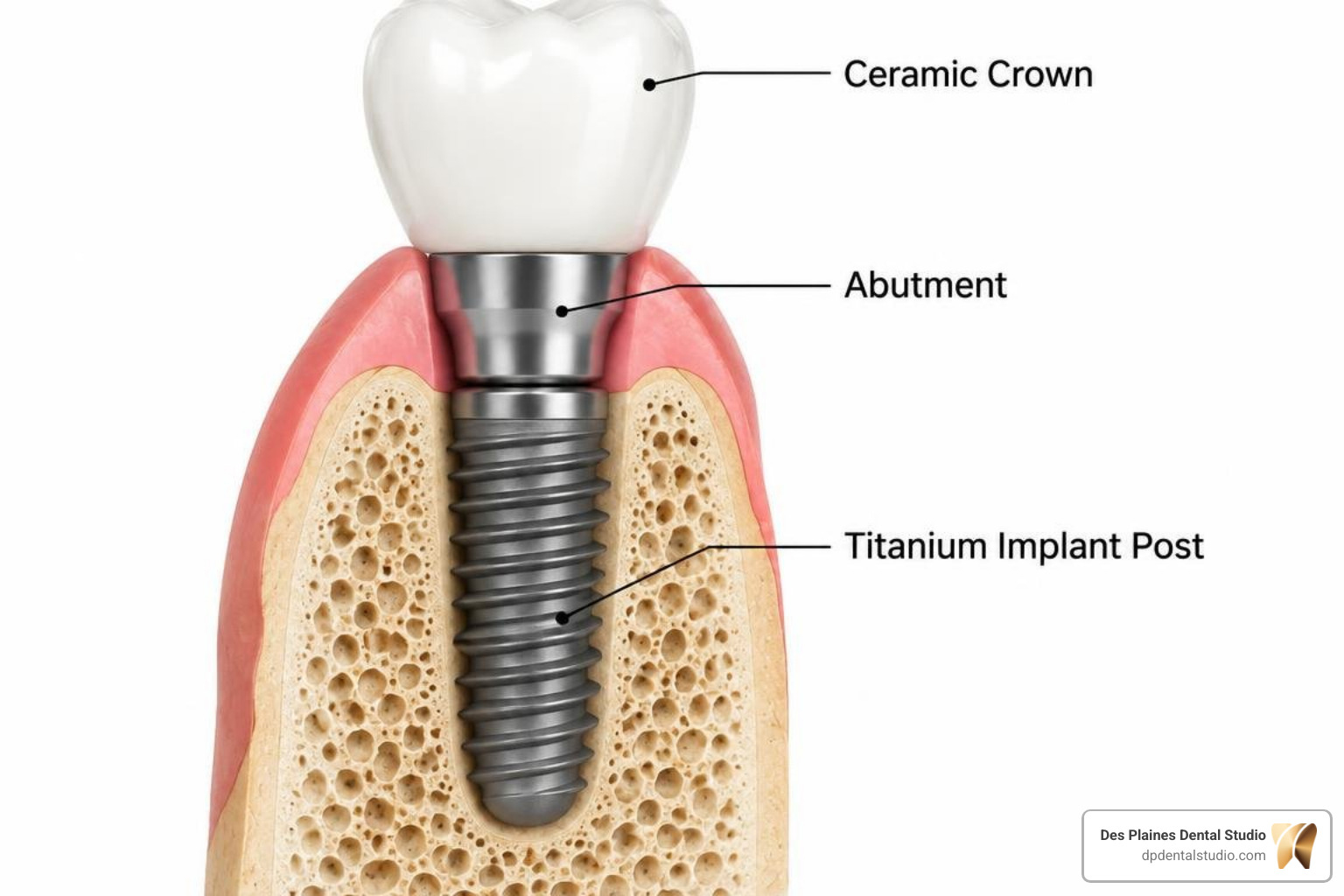
Replacing an individual missing tooth involves placing a biocompatible titanium fixture into the jawbone, attaching a custom abutment, and securing a lifelike ceramic crown. For most patients, this all-in procedure ranges from $3,000 to $6,000.
Whether you are looking into anterior single tooth implant options to restore your smile line or evaluating replacing back molars with implants, prices remain relatively consistent, though back teeth may require wider diameter fixtures to withstand higher chewing forces.
Full-Arch and All-on-4 Restoration Pricing
When replacing an entire dental arch, modern techniques eliminate the need to place a separate implant for every individual tooth. Fixed full-arch systems—such as All-on-4 or All-on-6—anchor a permanent bridge securely using four to six strategically placed posts.
- All-on-4 per arch: $14,000 to $36,000
- Full mouth (both arches): $35,000 to $90,000+
Patients interested in full arch restoration can explore detailed All-on-4 implant pricing or consult our full mouth dental implant guide to evaluate fixed versus removable full-arch alternatives.
Core Components and Preparatory Procedures That Impact Total Costs
A transparent quote should clearly itemize hardware, surgical care, and laboratory fabrication. Reviewing a practical guide to dental implant cost comparisons ensures you understand how each stage of treatment contributes to the overall fee.
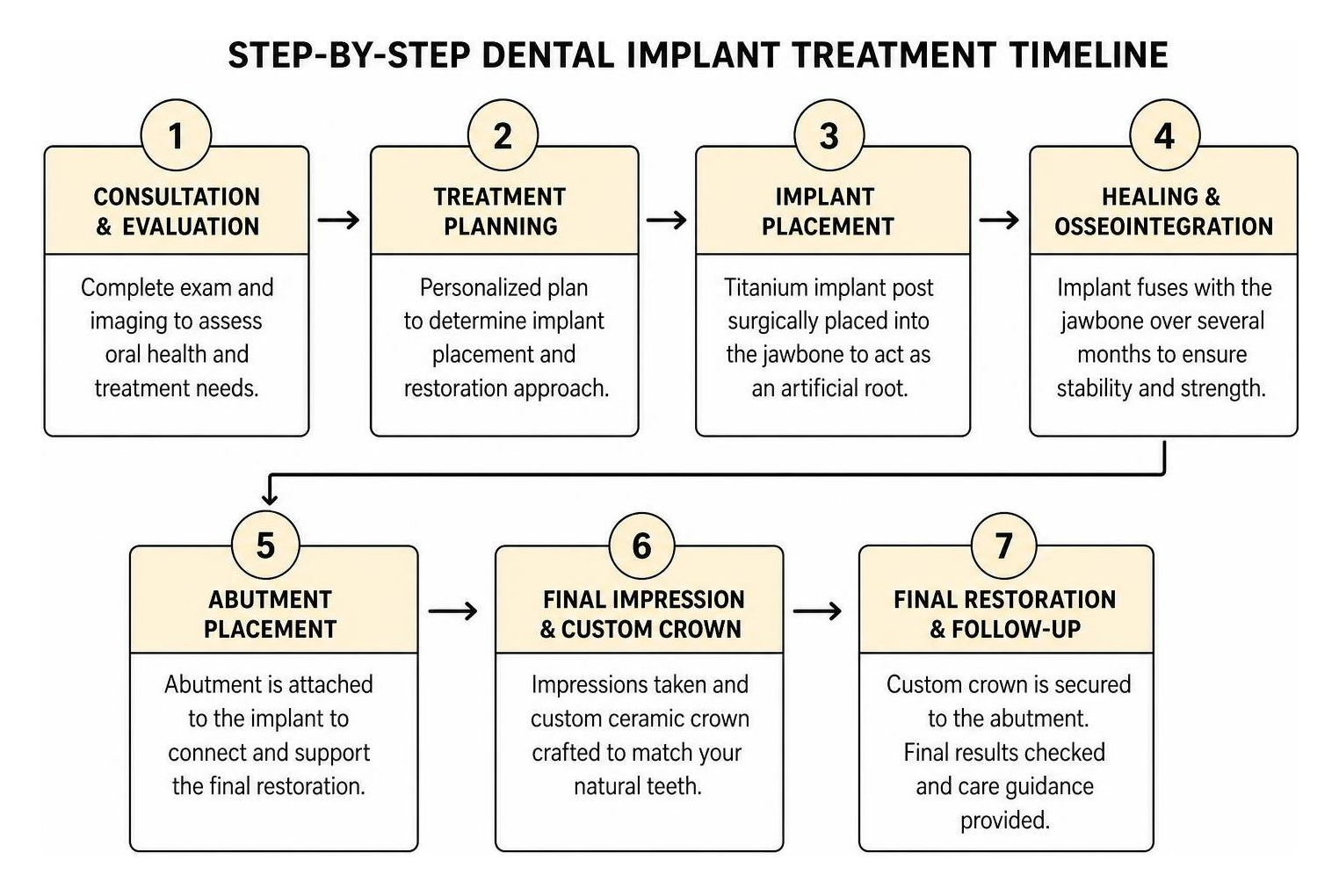
Breaking Down the Three Core Fixture Components
A complete dental implant consists of three separate components, each contributing to the final cost:
- The Implant Post ($1,000 – $3,000): A surgical-grade titanium or ceramic screw placed directly into the jawbone to serve as an artificial tooth root.
- The Abutment ($400 – $1,000): The connector piece mounted to the post that extends through the gum line to anchor your replacement tooth.
- The Prosthetic Crown ($800 – $3,000): The visible, custom-shaded porcelain or zirconia tooth designed to blend naturally with your surrounding smile.
Patients often consult resources detailing comprehensive dental insurance analysis to see how insurers break down coverage across these three stages.
Common Preparatory Surgeries and Add-On Fees
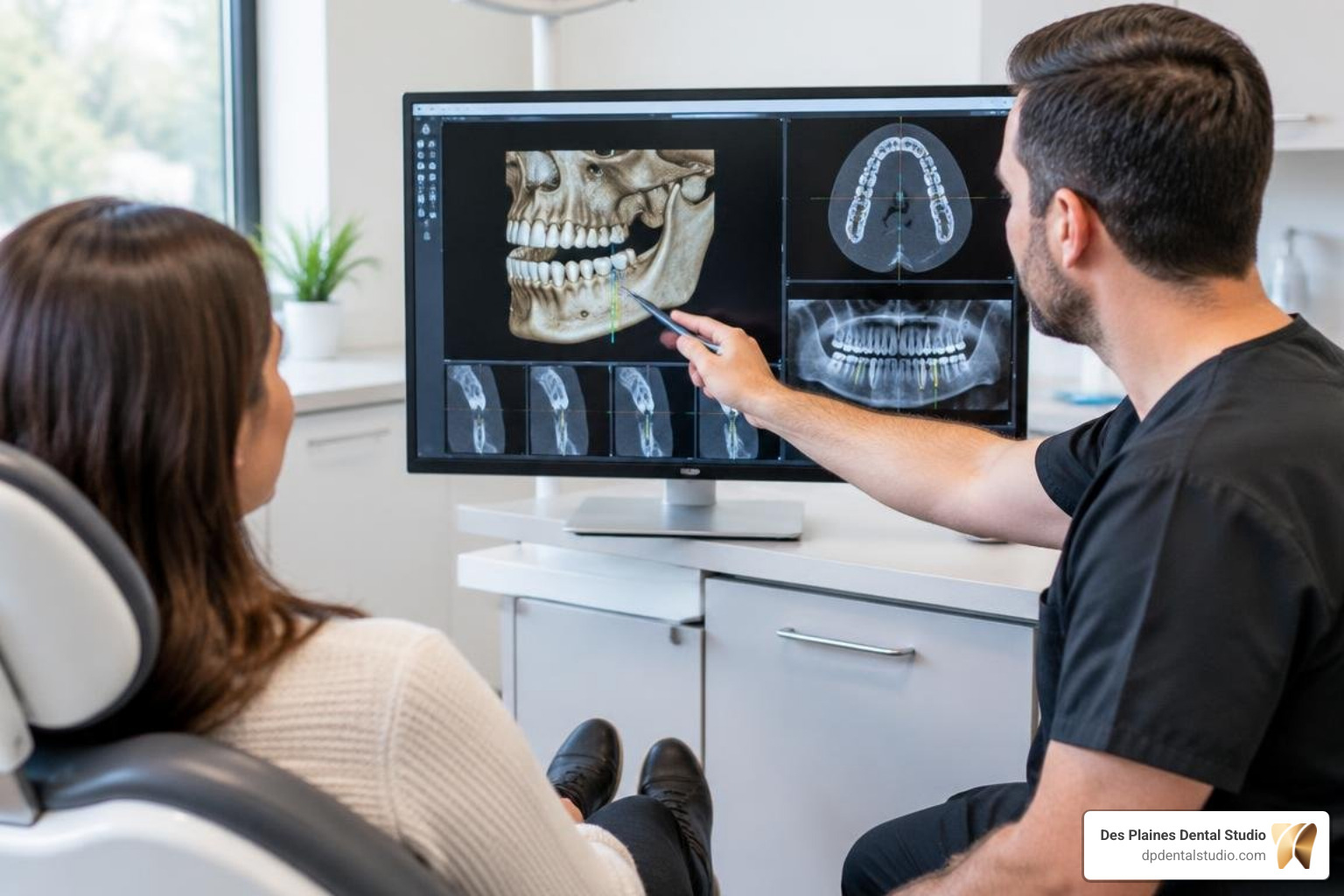
Depending on your jawbone density and oral health, additional preparatory treatments may be necessary:
- Tooth Extraction: $150 to $650 per tooth.
- Bone Grafting: $500 to $3,500 per site, depending on the graft material required to build sufficient bone volume.
- Sinus Lift: $1,500 to $5,000 when placing implants in the upper posterior jaw where bone depth is limited.
- 3D CBCT Imaging & Diagnostic Workups: $250 to $750 for high-resolution 3D radiographic mapping.
- Sedation & Anesthesia: $200 to $1,500 depending on whether local anesthesia, oral conscious sedation, or IV sedation is chosen.
Key Factors Influencing Overall Treatment Expenses
Several clinical and geographic factors influence how much a dental implant costs:
- Case Complexity: Patients with active periodontal disease or extensive bone loss require preliminary therapies.
- Doctor Training & Technology: Practices utilizing digital intraoral scanners, 3D surgical guides, and CBCT imaging offer higher precision, which helps minimize surgical complications.
- Material Quality: Premium implant fixtures (such as medical-grade titanium or monolithic zirconia) offer superior long-term osseointegration.
Patients comparing regional considerations often review international dental implant cost considerations to understand how lab fees and clinical overhead shape pricing structures.
How Much a Dental Implant Costs by Geographic Region
Geographic location plays a notable role in total expenses due to local real estate overhead, clinical wages, and specialized lab fees. While coastal metropolitan centers often see higher average treatment prices, Midwest dental clinics maintain competitive, balanced pricing while using identical medical-grade components.
Implant Materials and Restoration Types
- Grade IV/V Titanium: The gold standard in implant dentistry for over three decades, offering a proven 95% to 98% 10-year success rate.
- Zirconia (Ceramic): A metal-free, hypoallergenic option preferred by patients with metal sensitivities.
- Restorative Crown Materials: While PMMA temporaries are used during healing, final restorations typically use durable porcelain-fused-to-metal (PFM) or monolithic zirconia for natural aesthetics and high fracture resistance.
Understanding the Long-Term Value of Dental Implants
A dental implant is designed as a complete tooth-replacement system: the implant post supports an abutment, which in turn supports the final crown. The initial treatment estimate can be higher when it includes surgical planning, the post, the abutment, and the custom restoration, as well as any preparatory care needed for the site.
When reviewing a treatment plan, focus on what is included rather than comparing a single line-item price. A written estimate should identify the imaging, surgical placement, abutment, final crown, and follow-up visits included in the proposed care. If bone grafting, an extraction, sedation, or other preparatory treatment is recommended, ask how that affects the overall fee and the treatment timeline.
The long-term value of implant treatment also depends on ongoing oral hygiene and routine dental care. The implant post may provide durable support for a replacement tooth, while the crown remains a separate restoration that can need maintenance over time. Reviewing the materials, expected care, and full scope of treatment with the dental team helps patients choose a plan that fits their clinical needs and budget. It also gives patients time to carefully review treatment timing, included appointments, and expected maintenance. For a broader cost overview, see full-mouth implant treatment costs.
For more detail, see our average cost of dental implants guide before scheduling a consultation.
Insurance Coverage, Financing, and Ways to Lower Out-of-Pocket Expenses
Dental implant treatment can be comfortably managed through strategic planning and payment options.
Navigating Dental and Medical Insurance Benefits
Most dental PPO plans provide partial coverage for restorative procedures. While an insurer might not cover the surgical post, they often cover 25% to 50% of the custom abutment, crown, or preparatory extractions up to your annual maximum (typically $1,000 to $2,000).
To maximize benefits, review our dental implants insurance guide for 2026 or explore how to navigate medical insurance coverage for dental implants when tooth loss results from severe craniofacial trauma or underlying medical conditions.
Flexible Financing and Payment Strategies
- CareCredit & Third-Party Financing: Low-interest and 0% introductory APR payment plans allow you to spread costs over 12 to 24 months.
- HSA & FSA Accounts: Use pre-tax healthcare dollars to pay for surgical placement, grafting, or restorative crowns, saving 20% to 30% depending on your tax bracket.
- Phased Scheduling: If your procedure begins near the end of the year, placing your implant post in December and your crown in January allows you to utilize two consecutive annual insurance maximums.
Frequently Asked Questions About Dental Implant Costs
Do dental implants hurt during or after placement?
Implant placement is performed under gentle local anesthesia or conscious sedation, ensuring complete comfort throughout the procedure. Post-operative discomfort is typically mild—comparable to a routine extraction—and easily managed with over-the-counter pain relievers within three to five days.
How long do dental implants last?
The titanium implant post fuses with your jawbone through osseointegration and can last a lifetime with proper oral hygiene. The protective porcelain or zirconia crown typically lasts 15 to 25 years before requiring standard restorative maintenance.
Can you get dental implants covered by medical insurance?
In select circumstances, major medical insurance plans provide cross-coded benefits for implant surgery. Coverage is typically reserved for medically necessary cases involving trauma reconstruction, congenital oral anomalies, or severe bone atrophy that prevents standard nutrition.
Conclusion
Choosing dental implants is a lasting investment in your health, confidence, and quality of life. By choosing a solution that prevents bone loss and looks completely natural, you avoid the recurring expenses and daily inconveniences of traditional tooth replacement options.
At Des Plaines Dental Studio, we believe in patient-centered care, clear pricing, and a welcoming, pain-free clinical experience. If you are ready to explore your tooth replacement options, learn more about the average cost of dental implants and schedule a comprehensive consultation with our team today.