


Are Dentists Expensive? The Short Answer
Dentists can feel expensive, especially when you need more than a routine visit. But the price is not only for a few minutes in the chair. It reflects trained clinical care, staff, sterilization, diagnostic tools, dental lab work, materials, and the cost of running a safe office.
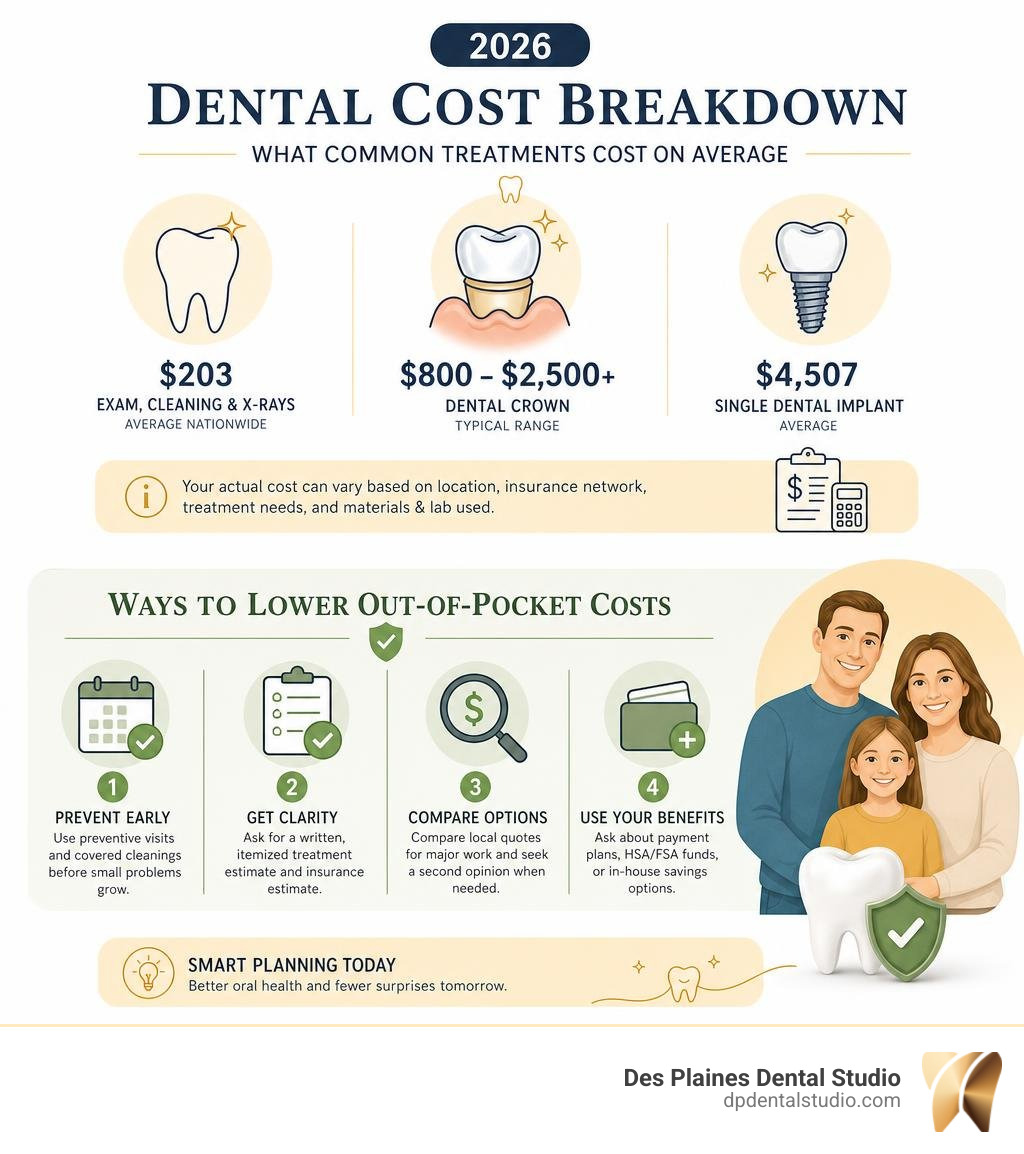
A routine exam, cleaning, and X-rays average about $203 nationwide in 2026. Major work costs more: a crown often runs $800 to $2,500 or more, while a complete single implant averages about $4,507. Your actual bill can change based on your location, insurance network, treatment needs, and the materials and lab used.
To keep costs manageable without cutting corners:
- Use preventive visits and covered cleanings before small problems grow.
- Ask for a written, itemized treatment estimate and insurance estimate.
- Compare local quotes for major work and seek a second opinion when needed.
- Ask about payment plans, HSA/FSA funds, or in-house savings options.
I am Marta Milejczyk, a Chicago-area dentist with decades of practice and advanced training in restorative, cosmetic, implant, and full-mouth rehabilitation care. When patients ask, “are dentist expensive?”, I believe they deserve clear answers about both the cost of treatment and the value behind it.
Simple guide to are dentist expensive:
- how much does a full mouth restoration cost
- how much does dental implants cost for whole mouth
- how much does a bridge in your mouth cost
Why Are Dentist Expensive? Behind the Scenes of Clinical Overhead
When you sit in a dental chair, it is easy to view the fee through the lens of time spent: “Why did that twenty-minute procedure cost several hundred dollars?” In reality, dental fees are driven by immense operational structures that few patients see.
Practicing dentistry requires maintaining a miniature surgical center. Unlike general medical practices that primarily use exam rooms and write prescriptions, a dental operatory must deliver on-site surgical interventions, fabrication, and diagnostics. Understanding Why Is Dental Work So Expensive? requires examining the true expenses involved in clinical care:
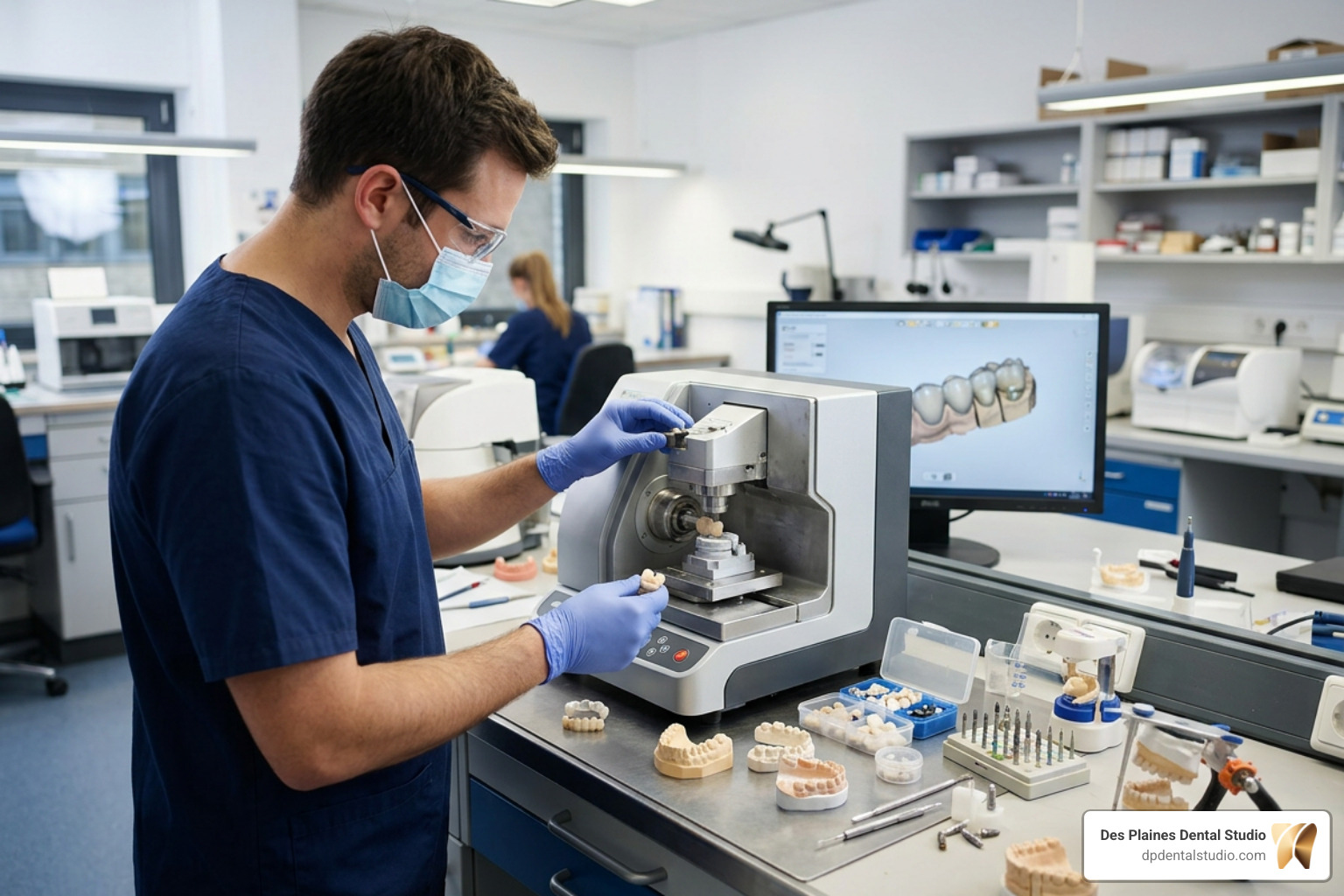
- Advanced Technology and Equipment: Modern dental suites rely on 3D Cone Beam Computed Tomography (CBCT) scanners, digital intraoral impression wands, surgical handpieces, and hospital-grade autoclaves.
- Custom Dental Laboratory Fees: Custom crowns, bridges, and prosthetics are fabricated by skilled dental laboratory technicians using biocompatible materials like medical-grade titanium and high-translucency zirconia.
- Educational Debt: Dental school graduates routinely face significant educational debt, which impacts practice operational costs.
- Malpractice and Regulatory Compliance: Strict adherence to infection control, medical waste disposal, and safety protocols incurs continuous operational investment.
The 65% to 90% Operating Overhead Reality
In modern clinical practice, approximately 65% to 90% of every dollar billed goes directly toward operating overhead.

Before a clinician earns personal compensation, practice revenue must cover:
- Facility Expenses: Rent, utilities, and commercial lease maintenance in accessible locations.
- Staff Payroll: Certified dental assistants, licensed dental hygienists, and front-desk insurance coordinators.
- Sterilization and OSHA Compliance: Continuous supply chains of surgical-grade barriers, medical autoclaves, chemical indicators, and sterile single-use disposables.
- Digital Imaging and Software: Licensing for secure HIPAA-compliant cloud storage, digital sensors, and diagnostic software.
Historical Separation of Medical and Dental Insurance
A major reason dental expenses feel burdensome is how dental insurance is designed. Historically, dentistry developed separately from general medicine, leading to standalone dental benefit plans rather than comprehensive health coverage.
Standard dental insurance functions more like a capped discount voucher than true insurance. Most commercial dental policies cap their annual maximum payout between $1,000 and $2,000 per year—limits that were established decades ago and have not kept pace with healthcare inflation. Once a patient undergoes a single major restorative procedure, their annual benefits are often exhausted, leaving subsequent care as an out-of-pocket expense.
Average Dental Procedure Costs Across Common Treatments in 2026
To understand clinical pricing, procedures are categorized into diagnostic/preventive care, basic restorative care, and major restorative treatments. Reviewing verified national references like the Dentist Prices: Dental Procedure Cost List helps clarify baseline fee structures across the United States.
| Procedure Category | Common Dental Procedure | Average 2026 Price Range (Without Insurance) | Typical In-Network Insurance Coverage |
|---|---|---|---|
| Preventive | Routine Exam & Prophylaxis (Cleaning) | $150 – $350 | 80% – 100% |
| Preventive | Full-Mouth Digital X-Rays / Panoramic | $120 – $250 | 80% – 100% |
| Basic | Composite Resin Filling (1–2 Surfaces) | $150 – $450 | 70% – 80% |
| Basic | Non-Surgical Tooth Extraction | $150 – $400 | 50% – 80% |
| Basic / Major | Root Canal Therapy (Anterior vs. Molar) | $700 – $1,600 | 50% – 80% |
| Major | Porcelain / Ceramic Crown | $900 – $2,500 | 50% |
| Major | Complete Single Dental Implant | $3,500 – $5,800 | 0% – 50% (Varies widely) |
| Major | Complete Custom Dentures (Per Arch) | $1,500 – $3,500 | 50% |
Preventive and Diagnostic Care
Preventive maintenance is the foundation of oral health. Routine checkups involve comprehensive periodontal probing, oral cancer screening, and professional calculus removal. Patients reviewing the definitive guide to dental cleaning costs will find that preventive visits carry minimal out-of-pocket costs under most plans while preventing severe decay and bone loss.
Basic Restorative vs Major Restorative Work
When decay or structural damage penetrates the outer enamel, treatment requirements shift:
- Basic Restorative Work: Encompasses composite restorations and uncomplicated extractions that require minimal lab involvement and single-visit appointments.
- Major Restorative Work: Involves complex tooth replacement and structural reconstruction. When multiple teeth are missing, understanding the real cost of a dental bridge with and without insurance helps patients compare fixed bridges against removable prosthetics. For patients seeking full-arch replacement, evaluating the average cost for dentures provides clear expectations for conventional prostheses.
Why Are Dentist Expensive for Major Restorative Procedures?
Major treatments such as full-mouth osseous surgery (which averages $7,889 across complex cases), multi-unit restorations, and aesthetic enhancements require multi-stage clinical protocols. When addressing chipped or uneven enamel, patients often compare conservative options like the cost of dental bonding with and without insurance against laboratory-crafted solutions. When planning comprehensive aesthetic smile design, reviewing smiling on a budget how much do veneers actually cost with insurance helps clarify why hand-layered porcelain veneers represent a significant investment in specialized aesthetic craftsmanship.
How Geographic Location and Insurance Coverage Impact Your Dental Bill
Where a dental practice is located directly impacts its fee structure. Clinical fees reflect regional real estate expenses, competitive staff wages, commercial taxes, and state regulatory mandates.
Comprehensive data from the State of U.S. Dental Costs 2026: Prices by State [Data Report] confirms that regional cost of living is the primary driver of pricing variation across the country.
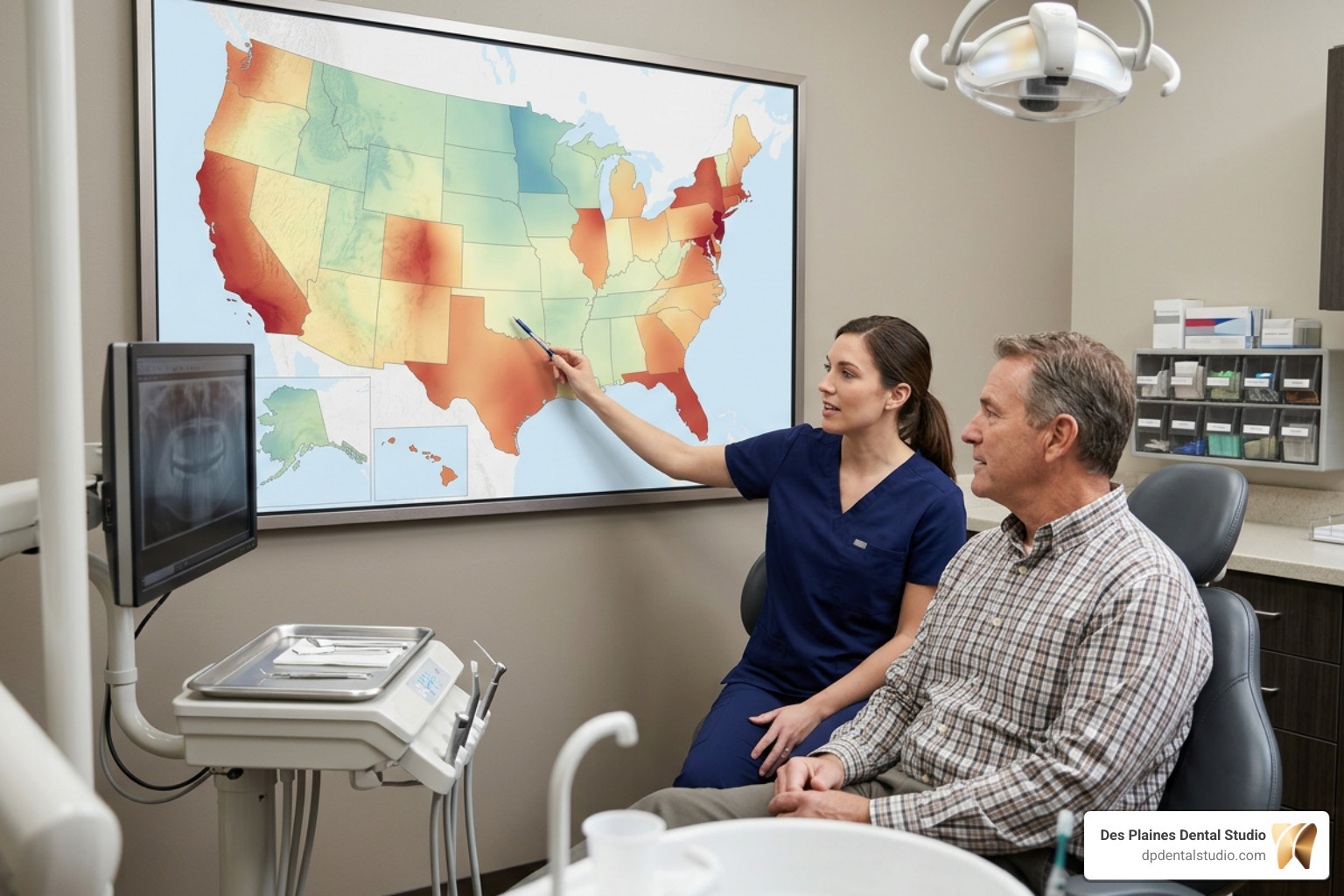
Why Are Dentist Expensive in Certain States?
Dental procedure costs mirror regional economic indicators. Restorative Cost Index metrics show that metropolitan areas and regions with high costs of living exhibit higher pricing across restorative and surgical care.
Furthermore, state-by-state Medicaid reimbursement rates influence practice overhead structures. When public assistance programs feature low clinical reimbursement, private practices in those regions must absorb broader administrative overhead to remain operational, influencing self-pay fee schedules.
Dental Insurance Mechanics and Annual Maximums
Navigating dental coverage requires understanding standard benefit frameworks:
- The 100-80-50 Benefit Model: Many traditional plans cover preventive care at 100%, basic restorative procedures at 80%, and major restorative treatments at 50%.
- Waiting Periods: Plans may impose waiting periods ranging from 6 to 12 months before major restorative services are covered.
- Annual Benefit Maximums: Benefit caps ($1,000 to $2,000) mean that extensive treatment plans must be structured thoughtfully across benefit periods.
For patients navigating complex surgical tooth replacement, our comprehensive dental implants insurance guide 2026 breaks down how to maximize insurance reimbursement for surgical abutments and crowns. Additionally, reviewing provisions under the affordable dental care act helps identify what baseline dental protections exist across essential health benefit frameworks.
How to Find High-Quality, Affordable Dental Care
High-quality dental care does not require compromising your budget. Proactive planning and modern payment solutions help patients receive necessary treatment without financial strain.
In-House Savings and Membership Plans
For patients without traditional employer-sponsored insurance, private dental practices frequently provide dedicated membership plans. These in-house savings programs eliminate third-party waiting periods, pre-authorizations, and annual claim caps:
- Preventive Care Inclusion: Annual memberships typically include two comprehensive cleanings, yearly exams, and digital diagnostic X-rays.
- Restorative Discounts: Direct percentage reductions (often 15% to 25%) across fillings, crowns, periodontics, and cosmetic services.
- Direct Transparency: Clear, upfront pricing without claims processing or surprise denial letters.
Second Opinions, Treatment Staging, and Financing
Managing larger treatment plans becomes straightforward with strategic clinical planning:
- Phase-Based Treatment Staging: Non-urgent restorative care can be organized into phases, allowing you to prioritize active infections first and spread out-of-pocket costs over time.
- Pre-Tax Healthcare Spending: Utilize pre-tax dollars from Health Savings Accounts (HSA) or Flexible Spending Accounts (FSA) to reduce out-of-pocket expenses by your marginal income tax rate.
- Third-Party Medical Financing: Flexible, low- or zero-interest financing platforms (such as CareCredit) allow treatment costs to be split into manageable monthly payments.
- Seek Clear Second Opinions: If a proposed treatment plan feels unexpectedly costly, scheduling a consultation with a reputable, affordable dentist near me provides diagnostic verification and peace of mind before you begin.
Frequently Asked Questions About Dental Care Costs
Why do two dentists quote different prices for the same procedure?
Dental practices set their individual fee schedules based on overhead, location, lab partnerships, materials, and clinical experience:
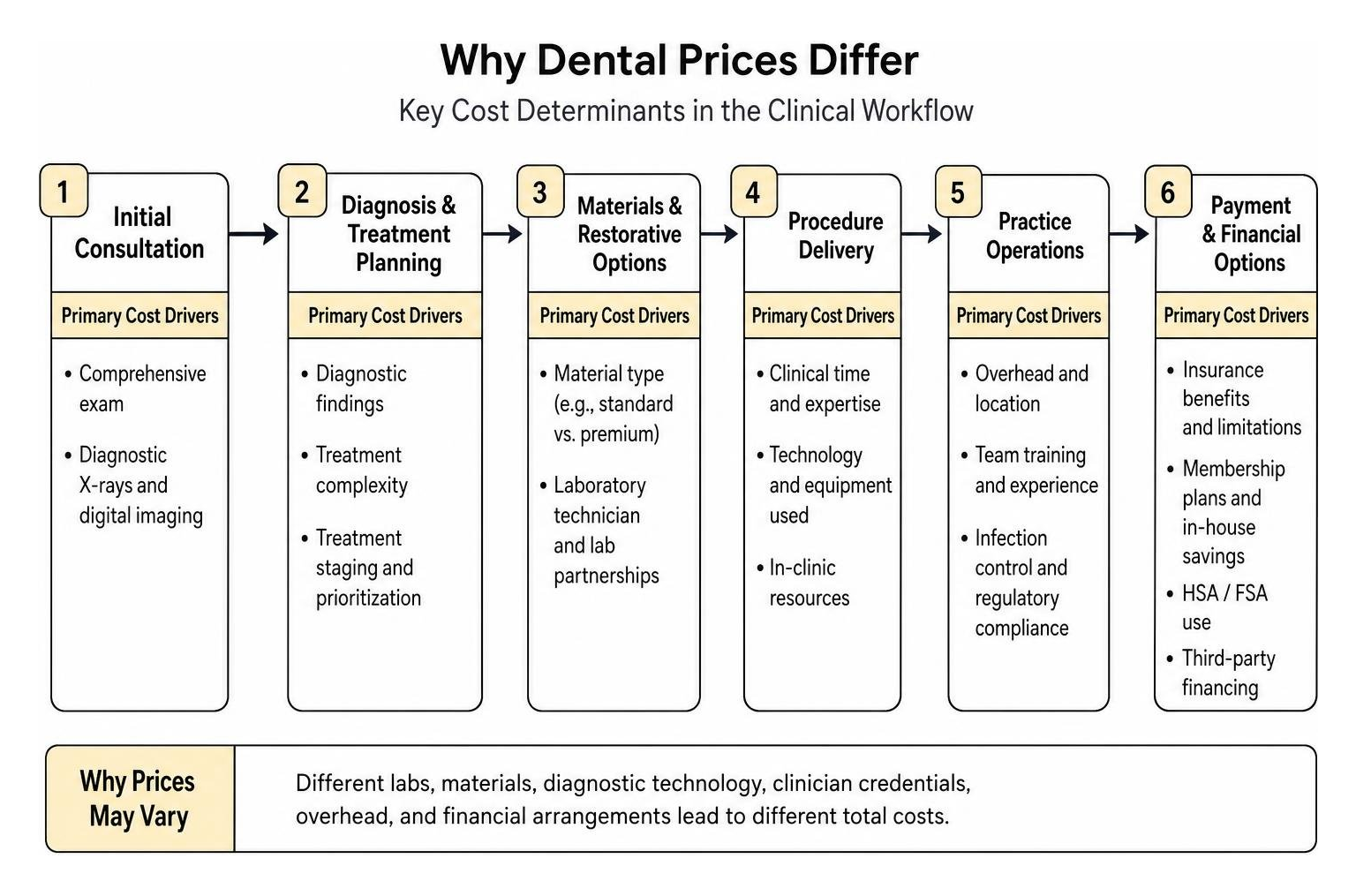
Two identical procedures may involve different laboratory technicians, restorative materials (e.g., standard metal-ceramic vs. multi-layered zirconia), diagnostic scanning modalities, and clinician credentials.
What is the most expensive dental procedure in 2026?
The most comprehensive dental procedures include full-mouth periodontal osseous surgeries and complete-arch implant reconstructions. Patients evaluating advanced restorative solutions often explore how much does a one day full mouth dental implant actually cost to understand the surgical, prosthetic, and laboratory components involved in immediate full-arch rehabilitation.
Does delaying dental treatment increase long-term expenses?
Yes. Dental pathology is progressive and teeth cannot naturally regenerate lost mineral structure.
An unaddressed microscopic cavity that could be treated with a simple composite filling can progress into the dental pulp over 12 to 24 months. What starts as a minor procedure can develop into an emergency root canal, core buildup, and custom crown—significantly increasing total treatment costs. Preventive maintenance remains the most effective way to minimize dental expenses.
Conclusion
While dental care requires a real financial investment, understanding how clinical overhead, advanced materials, and safety protocols shape pricing helps put those costs into perspective. Regular preventive visits, transparent treatment discussions, and flexible financing allow you to maintain exceptional oral health comfortably within your budget.
At Des Plaines Dental Studio, our mission is to provide patient-centered, welcoming, and gentle general and cosmetic dentistry. We offer transparent pricing, in-depth insurance support, and customized treatment plans designed around your needs. If you are exploring restorative tooth replacement options, explore our guide on the average cost of dental implants or contact our team today to schedule your consultation.